




New York godfather Carlo Gambino appointed Paul Castellano his successor 50 years ago
Choosing family and business over loyalty created tension in the crime family
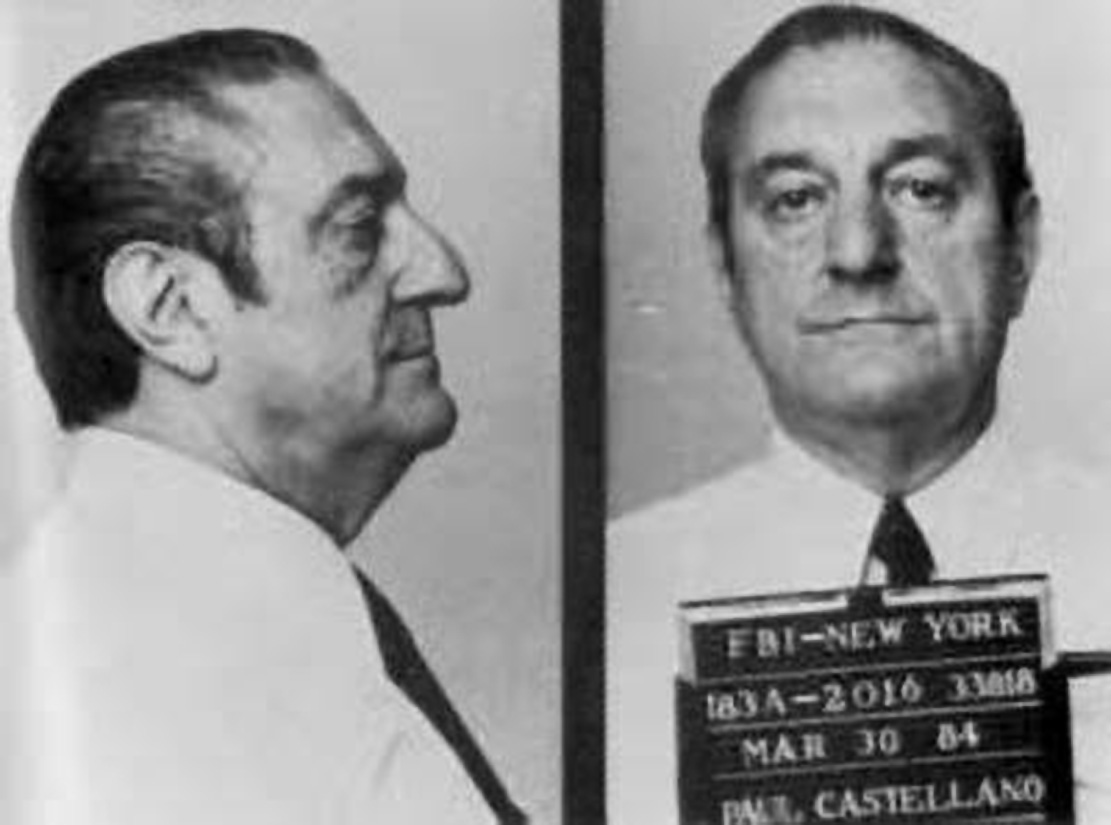
Carlo Gambino’s death in 1976 was a moment that quietly reshaped the American Mafia’s balance of power. Rather than elevate his loyal underboss, Aniello “Neil” Dellacroce, Gambino handed control of the family to his brother-in-law, Paul Castellano—a decision that broke with tradition and sowed lasting resentment. The contentious succession had consequences for the Gambino crime family and the underworld beyond it.
The rise of a boss
Patience, rather than force, defined Gambino’s own ascent to power. Rising through the ranks of the Mangano crime family, he cultivated a reputation as a careful operator who avoided unnecessary attention. For more than two decades, he steadily built alliances with other powerful figures in the underworld. By the mid-1950s, he had quietly accumulated the influence and loyalty he needed to make his move.
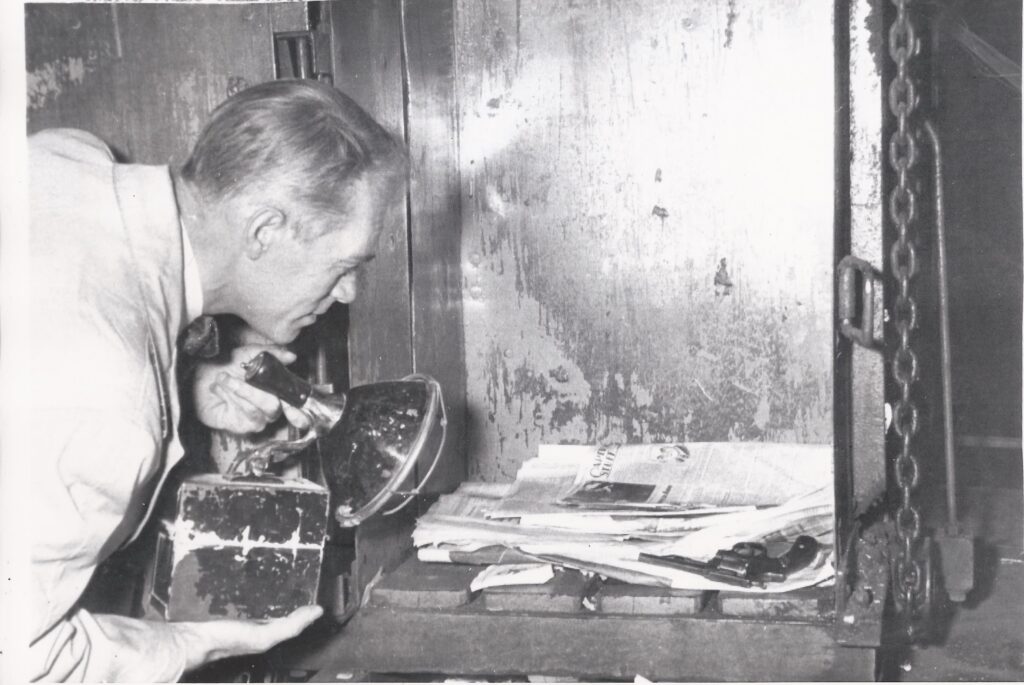
That move came in 1957, when Gambino joined a conspiracy with Vito Genovese to eliminate Albert Anastasia, the volatile and increasingly reckless Mangano boss. Anastasia was gunned down in the barbershop of Manhattan’s Park Sheraton Hotel, clearing the way for Gambino to take control. Over the following two decades, Gambino transformed the crime family into the most powerful and disciplined of New York’s Five Families through discretion and business acumen over violence and spectacle.
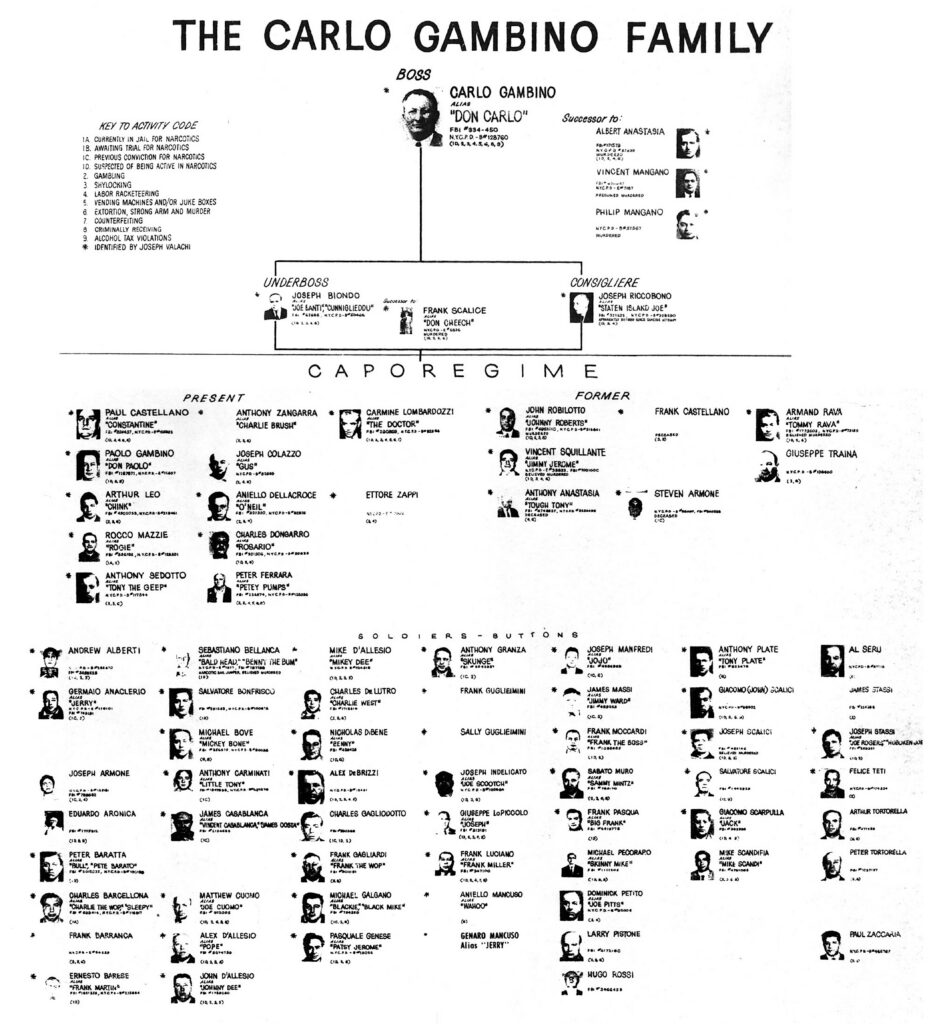
That scale entered the public record at the 1963 McClellan hearings, through Joseph Valachi’s testimony and an organizational chart of the Gambino crime family. (Such charts have been valuable to researchers but were never fully accurate reflections of the group’s true structure.) By 1973, the family had grown to roughly 800 made members and 1,400 associates, the largest of the Five Families.
Choosing an heir
Castellano’s elevation was less of a surprise than a confirmation of what insiders had long expected. A 1975 Daily News article identified him as “the man mob watchers predict will take over the reins … when the ailing don steps aside.” It wasn’t a secret that Gambino was already grooming his brother-in-law well more than a year before his death. The succession was Gambino’s deliberate positioning rather than a sudden reshuffle after the boss’s passing.
Gambino’s calculus was rooted in bloodline and commerce rather than rank. Castellano was related by marriage and had built extensive ties within the construction and meat industries, which Gambino prized as the family’s most lucrative and least conspicuous revenue streams. Despite Dellacroce being the obvious choice for successor, Gambino’s priorities made the top spot forever out of reach for his underboss.
By 1982, that subordination became public. In testimony that August, FBI undercover agent Joseph Pistone, aka Donnie Brasco, described Dellacroce plainly as “Castellano’s No. 2 aide,” according to the Staten Island Advance. But other reports, which referred to Dellacroce as “co-boss,” suggested there was more to the story.
The press and federal investigators could not agree on who actually ran the Gambino crime family. On June 15, 1982, the Daily News described “co-bosses Dellacroce and Paul Castellano” and went further, calling Dellacroce “the current board chairman of the national crime syndicate.” That designation placed him, not Castellano, at the head of the Mafia Commission, the apex of organized crime in America.
The two contradictory accounts, produced within months of each other, could not both be true, but neither could be dismissed outright. Both were credible sources: one came from seasoned crime reporters with sources inside the underworld, while the other came from an FBI undercover agent who had spent years embedded in the Mafia’s structure. But the organization was never meant to be legible from the outside. Titles such as boss, underboss, and consigliere were often more a matter of internal understanding than fixed, verifiable facts.
The reckoning
The ambiguity did not last. By the early 1980s, Dellacroce’s crew had produced a protégé of its own: John Gotti. The Queens-based capo’s swagger and appetite for violence stood in sharp contrast to Castellano’s boardroom style. Meanwhile, Castellano’s construction and meat businesses increasingly consumed his attention. He was also wary of the drug trafficking operations run by several of his capos—in direct defiance of his orders. The boss had grown distant from the street-level soldiers who had once given the family its muscle.
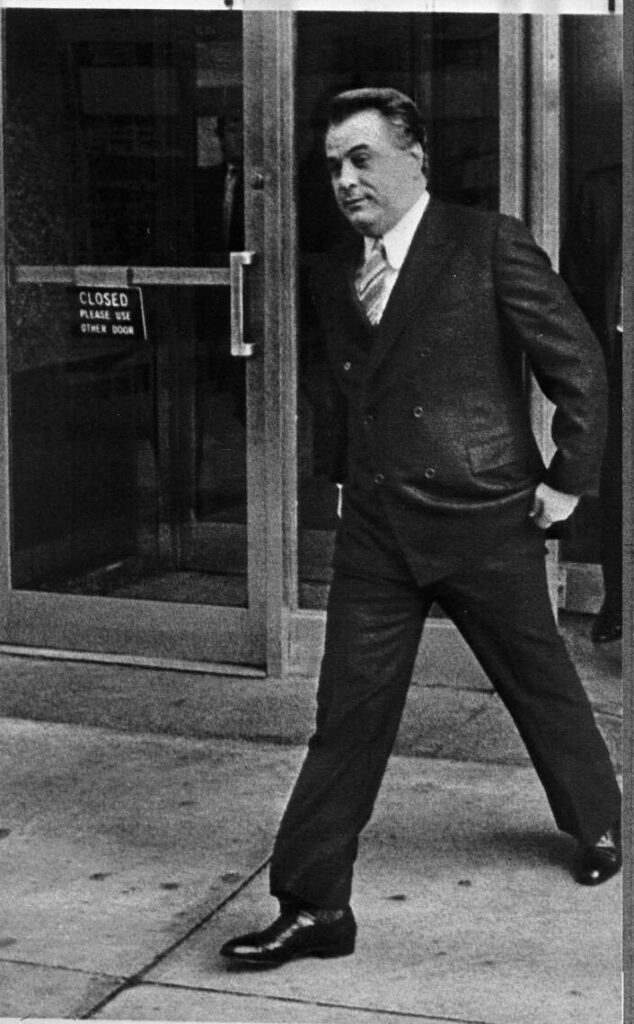
That distance curdled into resentment. Sammy “The Bull” Gravano, testifying years later in 1992, described the mood inside the family in blunt terms: “At the time, there were a lot of conversations about Paul. Nobody was too happy with him. … He was selling out the family for his own basic businesses.”
When Dellacroce died of cancer in December 1985 without ever receiving the boss title many believed he deserved, Castellano did not attend the wake. For Gotti and his allies, the slight confirmed that the old grievances of the 1976 succession had never been resolved, only deferred.
Ten days later, on December 16, 1985, Castellano and his driver, Thomas Bilotti, were gunned down outside Sparks Steak House in Manhattan by shooters acting on Gotti’s orders. Gotti seized control of the family in the aftermath, becoming the flamboyant, headline-grabbing boss that the press christened the “Dapper Don.”
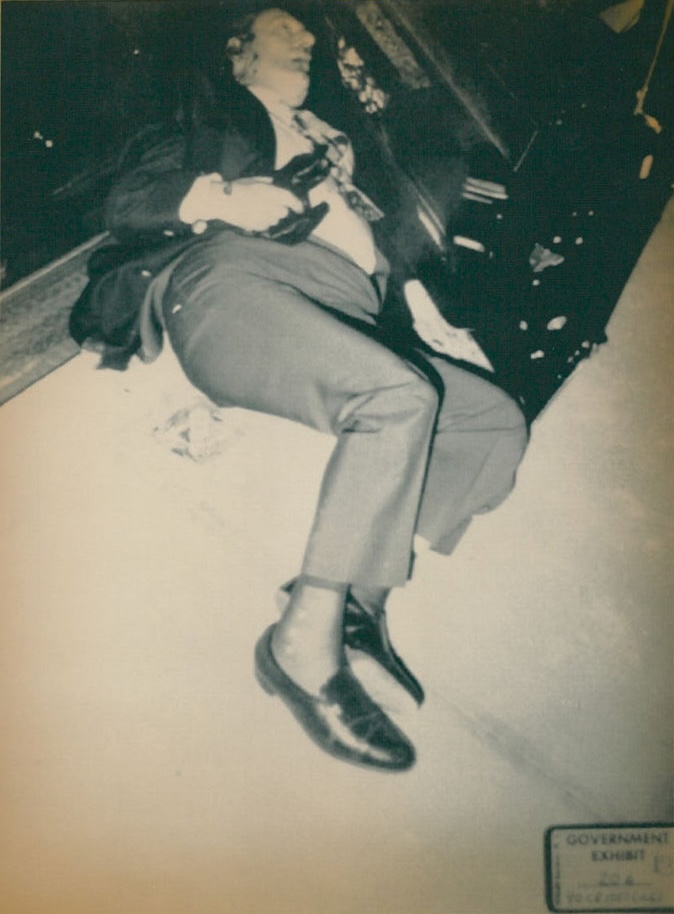
But the swagger obscured a hand weaker than it appeared. As the Telegraph observed in 1996, “John Gotti seems powerful, but that may be because the other bosses are gone … that’s not real power.” It was a fitting epitaph not just for Gotti but for the family Gambino had built. The dynasty was founded on bloodlines and business interests rather than earned loyalty, but the passed-over men and quiet resentments had, in the end, proved more decisive than any one boss’s title.
Christian Cipollini is an organized crime historian and the award-winning author and creator of the comic book series LUCKY, based on the true story of Charles “Lucky” Luciano.
Feedback or questions? Email blog@themobmuseum.org