




Former illegal bookmaker Mathew Bowyer reflects on Nevada’s Black Book and sports betting’s future
The bookie for baseball star Shohei Ohtani’s interpreter wants to reform sports betting
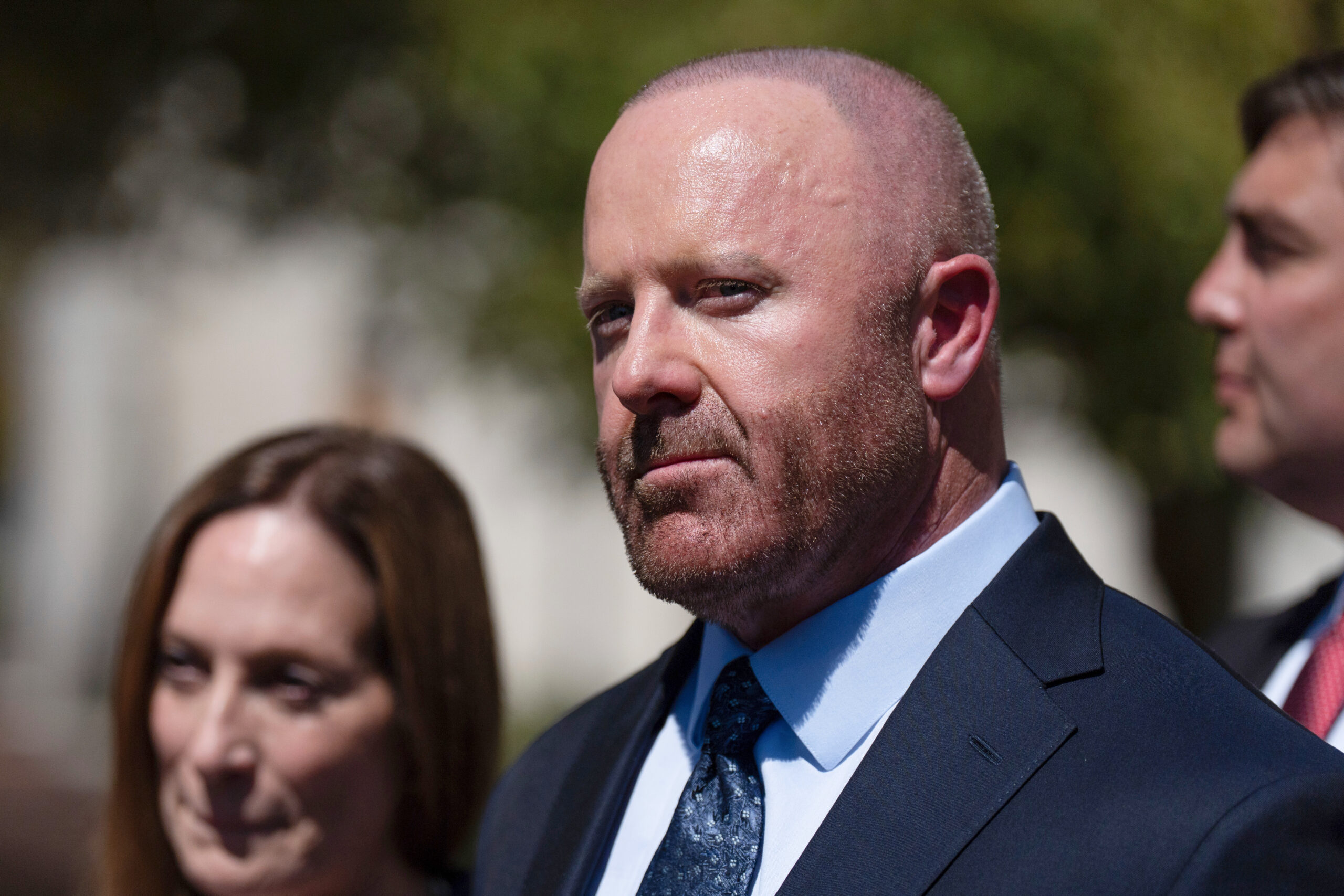
On a pleasant, 75-degree day at a golf course in Dana Point, California, with the Pacific Ocean in view, ESPN investigative reporter Tisha Thompson learned from two former illegal bookmakers how to talk potential clients into wagering on sports.
Mathew Bowyer and Owen Hanson are felons who have recently been released from prison in separate cases that include, for each of them, operating illegal sportsbooks. Thompson is the ESPN reporter who earlier broke the story that Ippei Mizuhara, Los Angeles Dodgers superstar Shohei Ohtani’s Japanese-language interpreter, placed millions of dollars in illegal sports bets, using Bowyer as his bookie. In California, where Bowyer and Hanson live, sports betting is against the law.
Thompson, a Washington, D.C.-based reporter who played women’s rugby at Princeton and comes from a long line of journalists, was on the golf course to learn tricks of the illegal sports-betting trade from the two former insiders. Audio from the golf-course conversation is available on the 30 for 30 podcast “The Betrayal of Shohei Ohtani.”
The award-winning, six-part series, hosted by Thompson, examines the 2024 gambling scandal that resulted in Mizuhara’s arrest after stealing nearly $17 million from Ohtani to pay Bowyer for sports gambling debts. Ohtani is a four-time MVP, winning the award twice with the Los Angeles Angels and twice with the Dodgers. MLB.com labeled him as “arguably the most talented player the game has ever known.”

.jpg)
After the scandal broke, Major League Baseball cleared Ohtani of wrongdoing, but Mizuhara was convicted and sent to a low-security federal correctional facility in Allenwood, Pennsylvania, to serve a 57-month sentence. His bookmaker, Bowyer, was sentenced to 12 months and one day at the Federal Correctional Institution in Lompoc, California, 150 miles north of Los Angeles. Bowyer served about half that time and is back home in Orange County on a two-year probation that prohibits him from gambling.
“Even if I was going to win every bet, it would not be worth going back to prison,” Bowyer, 51, said in a recent telephone interview.
On the golf course in Dana Point, the ESPN reporter learned how bookmakers lure people into illegal betting. Part of the appeal involves letting clients bet on credit while maintaining a discreet, one-on-one relationship with the bookmaker. Legal sports-betting operations, including casino sportsbooks and apps such as DraftKings and FanDuel, are not allowed to accept bets on credit.
“Happy to give you an account,” Bowyer says in demonstrating to Thompson how he closes in. “Love to do business with you.”
After listening to Bowyer’s friendly pitch on the golf course, Thompson notes that this delivery worked in a lot of settings—“a bar, a party, or a poker game, like the one where they met Ippei Mizuhara.”
That private poker game, which took place in 2021 in a San Diego hotel room near the baseball stadium, included about 13 people, counting two coaches and three players. Bowyer would not name the players who were at the poker game but has previously said the Angels’ two biggest stars at the time, Ohtani and Mike Trout, were not there, though Mizuhara was. Mizuhara later said he didn’t realize Bowyer’s sportsbook, based online at a website hosted in Costa Rica, was illegal, ESPN reported.
‘We’re not organized crime’
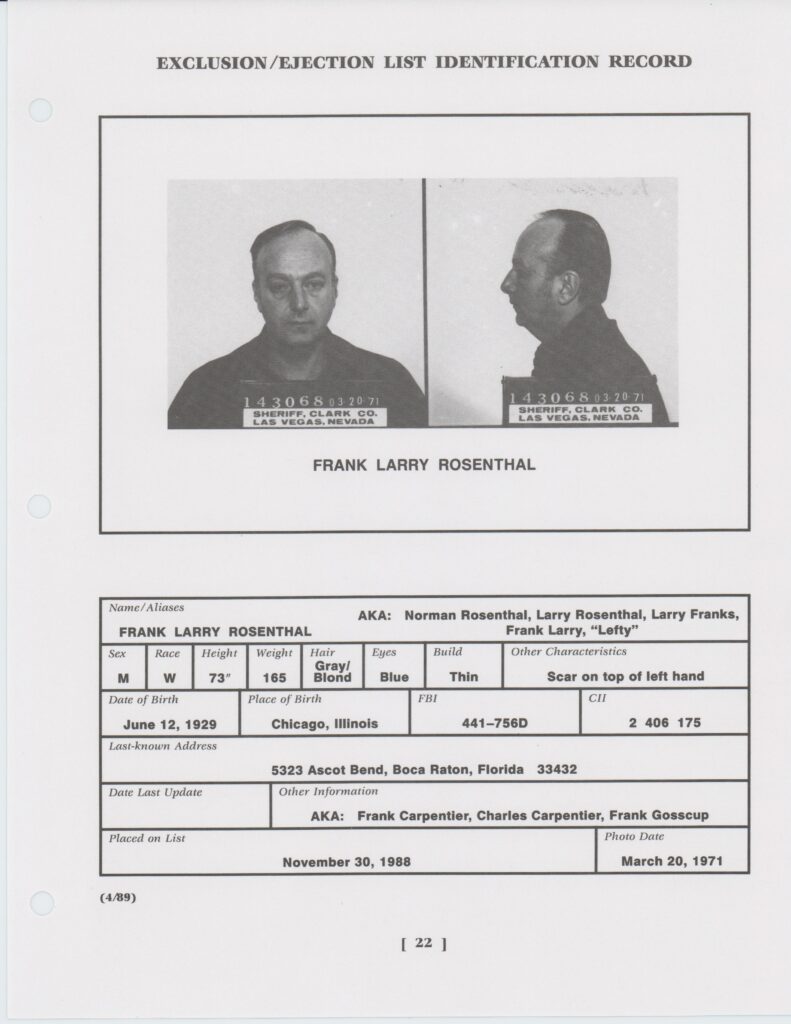
In April, shortly after being released from prison, Bowyer was added to Nevada’s List of Excluded Persons, known as the Black Book, barring entry into any casino statewide.
Currently, the Black Book has 36 men and one woman on the list. In the past, especially when mobsters were involved in Nevada casinos, the Black Book included suspected organized crime figures such as Sam Giancana, Tony “The Ant” Spilotro, and Frank “Lefty” Rosenthal.
However, in 2022 state gaming regulators placed Southern Nevada resident Kendrick L. Weatherspoon in the Black Book, breaking “new procedural ground,” according to the Las Vegas Review-Journal. The newspaper reported that Weatherspoon was the first person added to the list “who did not have a history of cheating at gambling or involvement in organized crime.” According to KLAS-TV, Weatherspoon was added because of a criminal record that includes sex trafficking and the possession and sale of drugs.
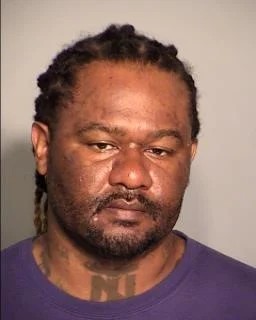
After that, two illegal bookmakers from California, Bowyer and Wayne Nix, a former Minor League Baseball pitcher, also were placed in the Black Book. Both had a history of gambling in Nevada.
Bowyer told The Mob Museum it doesn’t make sense that he and Nix are the only recent bookmakers on the excluded list, given that there are, by his estimate, as many as one million illegal bookies in the country. Also, recent arrests nationwide point to continued Mafia involvement in illegal bookmaking.
“We’re not organized crime,” Bowyer said of himself and Nix. “We were both taking sports bets and doing exactly what FanDuel, DraftKings, Polymarket, Kalshi, and all these casinos were doing. The only difference is that we didn’t have a legitimate license.”
Bowyer said he believes he was placed on the list “to be made an example of,” adding that his inclusion is “a little bit overkill.”
Nevada gaming regulators saw it differently. According to the Review-Journal, Nevada Gaming Control Board Chairman Mike Dreitzer said Bowyer’s case “goes to the very core and the heart of Nevada’s gaming regulatory mission: the protection of integrity of gaming, the confidence of the public, and the reputation of the state as a gold standard for gaming regulation.”
Before being sent to prison in 2025, Bowyer pleaded guilty to federal charges of running an illegal gambling business, filing false tax returns, and money laundering. His activities dealt a blow to some Las Vegas casinos, where he gambled millions of dollars on high-roller excursions during his heyday. Nevada regulators ultimately levied a total of $34 million in penalties against four Las Vegas Strip casino companies for allowing Bowyer to gamble there without verifying his sources of income in accordance with anti-money laundering programs. Those companies are MGM Resorts, Resorts World and its parent company, Genting Berhad, Caesars Palace, and Venetian Las Vegas Gaming LLC, according to the Review-Journal.
Since leaving prison and spending a transition period at a halfway house, Bowyer has been active on social media and has written a second book, Controlled Chaos. His first book is titled Recalibrate. On his website, Bowyer also has launched an online television channel, mathewbowyer.tv, where he plans to post profiles of every current Black Book member.
“I’d like to just give some detailed history because a lot of us don’t know why people are in the Black Book for what they did or who they are,” he said.
Sports betting growth
In 2018, the U.S. Supreme Court opened the door for states to authorize, regulate, and tax sports betting, which already was legal in Nevada. Since then, sports betting has been legalized in many U.S. states and Washington, D.C. However, it remains illegal in 11 states, including the two with the largest populations, California and Texas.
Meanwhile, the sudden growth of prediction-market companies such as Kalshi and Polymarket gives bettors a chance to go online and put money on sporting events even in states where commercial sports wagering is illegal. These prediction-market sites also allow people to wager on other events, such as politics, financial markets, and even the weather.
Several states have challenged whether prediction-market “event contracts” on sports should be allowed. At issue is whether legal sportsbooks are at a competitive disadvantage since they are regulated and taxed on a state-by-state basis, while prediction markets, which fall under federal oversight, face no state scrutiny or taxation. Some gaming analysts expect the prediction-market battle to end up in the U.S. Supreme Court for a ruling. While this fight continues, commercial sports-betting companies such as DraftKings and FanDuel now have a prediction-market option on their mobile platforms, allowing bettors to put money on sporting events even in states where sports betting is illegal.
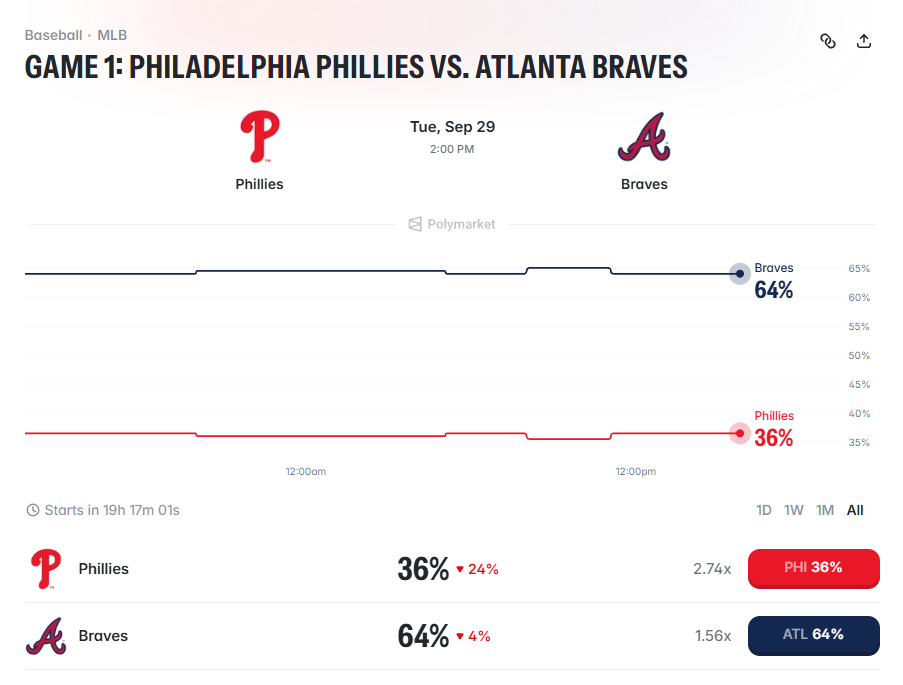
At the same time, many U.S. bettors use unregulated offshore websites to wager on sports, and throughout the country, individual illegal bookmakers, including those associated with organized crime syndicates, accept countless wagers daily. The betting action is especially heavy during the NFL season, which typically generates more legal and illegal wagering nationwide than any other sport. The 2026-27 NFL season began in September and ends with the Super Bowl on February 14, 2027. By some estimates, NFL games this season will generate more than $30 billion in legal bets alone, generating millions in tax revenue for states where wagering is regulated. Other notable sporting events, including the NCAA men’s basketball tournament and Major League Baseball’s World Series, also are popular with bettors. In the midst of this, sports-betting operators and prediction-market companies have signed promotional deals not only with sports leagues and teams but with media outlets, athletes, and entertainers.
With sports betting now saturating the television airwaves during athletic events and available on cellphones, the temptation for compulsive gambling is strong, Bowyer said.
“I don’t blame DraftKings or FanDuel for a gambling addiction problem,” he said, “but I do say we are putting this in front of the wrong people too much, and it’s definitely going to create a problem for a lot of people that don’t have one.”
As a self-described former degenerate gambler, Bowyer knows that addictive bettors can become easy prey for bookmakers.
“I love money and I always wanted to make money, but I never wanted people to get hurt betting sports through my website,” he said. “I always tried to provide a service and make it to where they can enjoy the service and afford it.”
Bowyer said he attempted to work with bettors who were getting in too deep.
“I know that sounds crazy,” he said, “but because I had more of a personal relationship with most of my clients when I was a bookmaker, I actually was able to monitor them and get to know them, sometimes the hard way by them losing too much money and having a tough conversation, but at least I could control that and say, ‘All right, let’s work this out. Let’s get you to a point where maybe you can make payments and we can get you back on track, but now I know your threshold of what you can afford.’”
When it comes to sports betting in general, strict guidelines should be put in place to keep the industry on track, Bowyer said, adding that, at this point, there’s no turning back from what has become a widespread, lucrative part of the sports world.
Among other steps, individual bookmakers should be required to obtain a license, Bowyer said. That way they would have to go through background checks to weed out unsavory characters. Bowyer said restrictions could be placed on these individual operators to hold them accountable, such as ensuring they have enough capital to pay the winners.
“I would require a bond of a certain amount of money they have to put up,” Bowyer said. “They can’t take bets that they can’t afford. So, you know, they’d have to have at least 20 times the amount of volume they’re taking.”
Although the idea of licensing individual bookmakers has not gained any industrywide traction, Bowyer said legal solo bookmakers also then would have to pay the government “their portion” in gaming tax revenue, which currently doesn’t occur.
That sort of legal arrangement would get rid of 80 percent of credit betting, he said, “because everybody giving credit would now have the opportunity to be licensed.”
“Of course, there’d still be guys doing credit, but at the end of the day, then the ones who are probably still in that market of giving credit are probably bookmakers that shouldn’t be bookmakers because why not go get a license if they’re allowing you to?” Bowyer said.
Larry Henry is a veteran print and broadcast journalist. He served as press secretary for Nevada Governor Bob Miller and was political editor at the Las Vegas Sun and managing editor at KFSM-TV, the CBS affiliate in Northwest Arkansas.
Feedback or questions? Email blog@themobmuseum.org