



Mob fashion at its finest: The top 5 best-dressed mobsters
From sleek suits to lush jewelry, these infamous crime bosses had looks that killed
Adjectives that come to mind when people think of the most infamous organized crime figures may include ruthless, intimidating, or charismatic, but what about fashionable?
The “Mafia” or “Mob” aesthetic has gone in and out of style over the past century, often popularized by iconic movies and TV shows such as The Godfather, Goodfellas and The Sopranos. In recent years, the “Mob wife” aesthetic also has trended on social media.
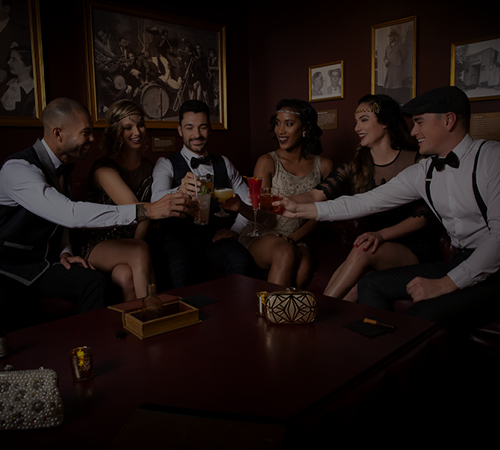
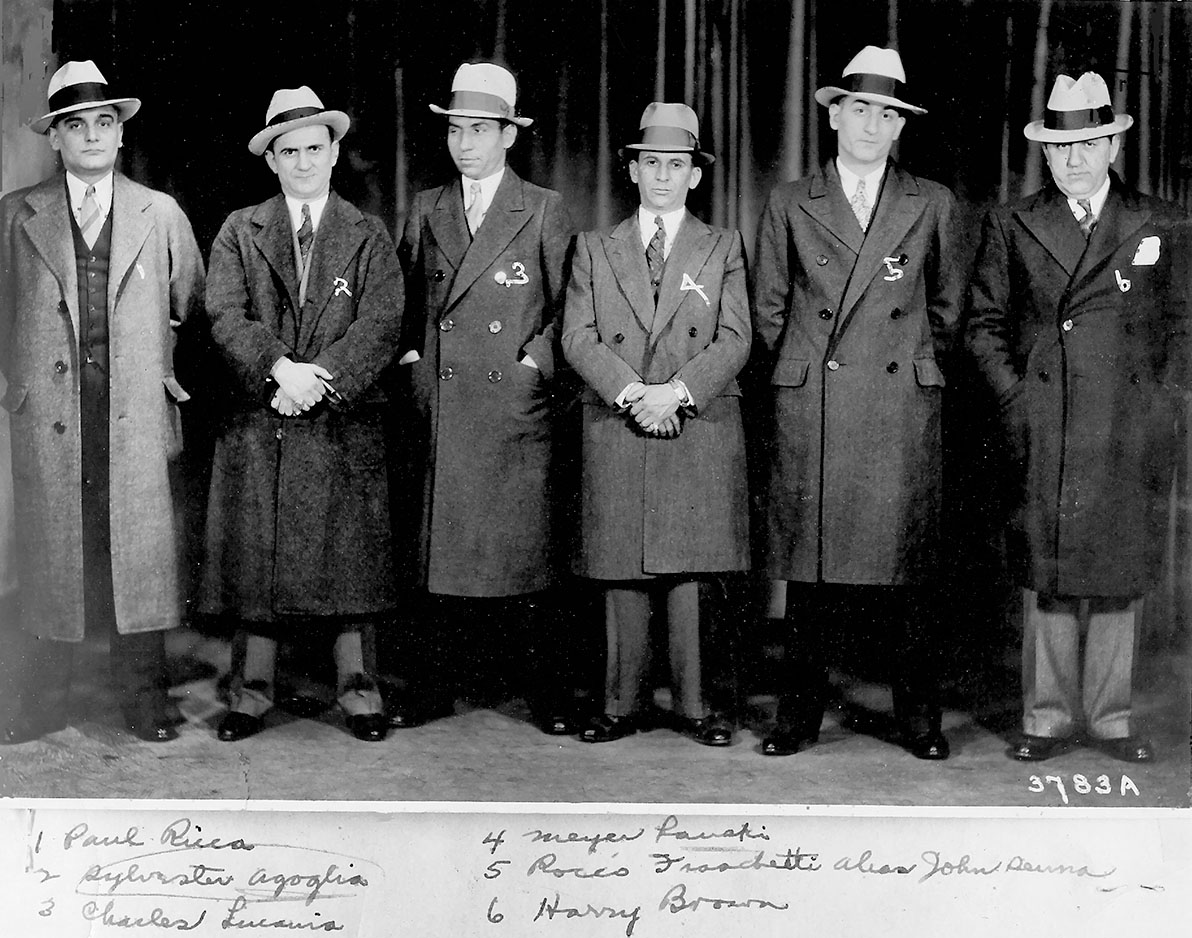
What constitutes “Mob style” has changed over time, but it is most often characterized by classic pinstriped suits and fedoras accessorized with chunky gold watches, rings, and cufflinks. This style takes its cues from the general look of new money in the 1920s, ’30s, and ’40s, when the Mob rose to power thanks to Prohibition and early forays into legal gambling in Havana and Las Vegas. As the decades passed, these styles became tied to the Mob. In the 1970s, when The Godfather brought the look back into pop culture, many actual mobsters across the country returned to these vintage looks. They were influenced as much by the movie as the movie had been by their lives.
In the last 50 years, as American fashion shifted to a more casual look, Mob style has increasingly incorporated leisurewear and tracksuits. But regardless of shifting trends, the wealth mobsters amass has led to a notable number of Mob fashion icons. Although style is subjective, these five organized crime figures prove that you can simultaneously be ruthless and dressed to kill.
5. Charles “Lucky” Luciano
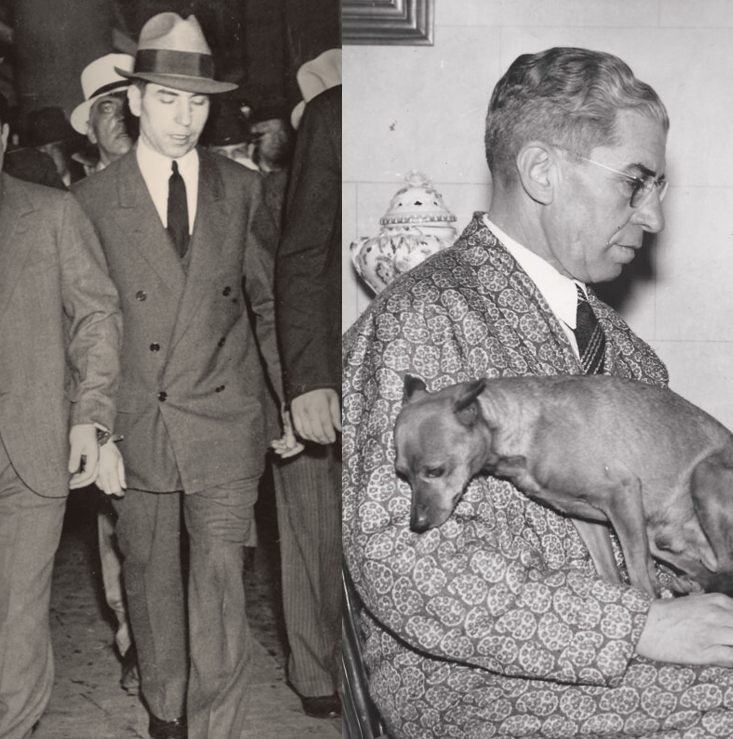
Charles “Lucky” Luciano is a key example of “mobster chic.” In the 1920s and ’30s, when the New York mobster was making millions from bootlegging, rumrunning, and consolidating brothels in New York City, he favored double-breasted pinstripe suits with fedoras or Panama hats. His love of fine hats may have stemmed from his first legitimate job as a courier for Goodman Hat Company. His delivery boy job also served as a front for dealing drugs. In 1919, he was caught with heroin stashed in a hat box.
Luciano served his time and emerged a changed man—with a greater appetite for crime. As the money rolled in, so did the fashionable clothing. Luciano’s clothes did not receive the same amount of press coverage as the others on this list, but just a cursory glance at his photos proves he was fashionable and well put together. Even in exile in Italy following his 1946 deportation, his suits were crisp and his house clothes luxurious.
4. Mickey Cohen
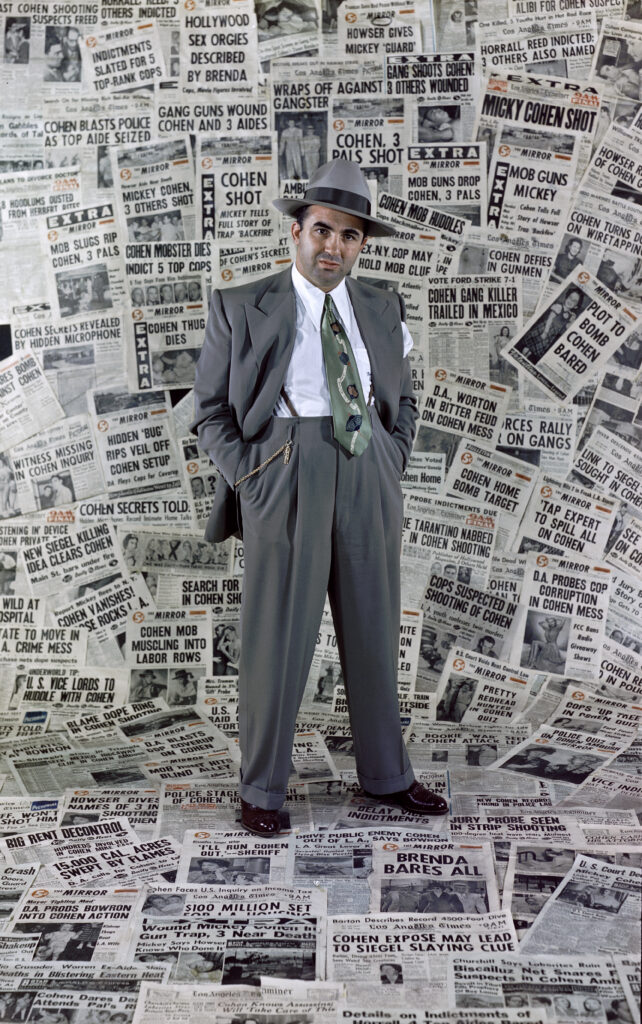
Mickey Cohen’s closet suggests he lived by the maxim “more is more.” And the whole world knew it thanks to a failed assassination attempt on February 6, 1950. At 4:15 a.m. that morning, a bomb blasted a 10-foot hole in the Los Angeles mobster’s bedroom. He was not sleeping there—he was in his wife’s bedroom at the time—and no one was hurt, but more than 200 tailor-made suits were allegedly destroyed in the blast. A few years earlier, in 1948, Cohen also lost $5,000 worth of jewelry in a burglary.
Cohen’s style did not always exude the same sleek cool as some other mobsters, but he certainly loved fashion. Cohen favored boxier and baggier styles than the others on this list and often wore his pants high on or above the waist. The Mob Museum has on display a silk suit that Cohen owned, designed by Capucci Creations.
Cohen’s love of style extended beyond suits. In early 1947, he opened a hat shop, Michael’s Exclusive Haberdashery, at 8804 Sunset Boulevard. News articles about the shop in the late ’40s and early ’50s noted that it was a real storefront with expensive men’s clothing and accessories on display. They also noted it was difficult to find a clerk, and the shop did not appear to turn a legal profit. The haberdashery went out of business in 1950.
In the same period, Cohen also owned a tailor shop and jewelers. These businesses were all part of the elaborate financial schemes that landed Cohen in prison for tax evasion in 1951—and again in 1961, a year of which he served in Alcatraz prison. No doubt he yearned to leave the prison jumpsuits behind when he was released for a final time in 1972.
3. Benjamin “Bugsy” Siegel
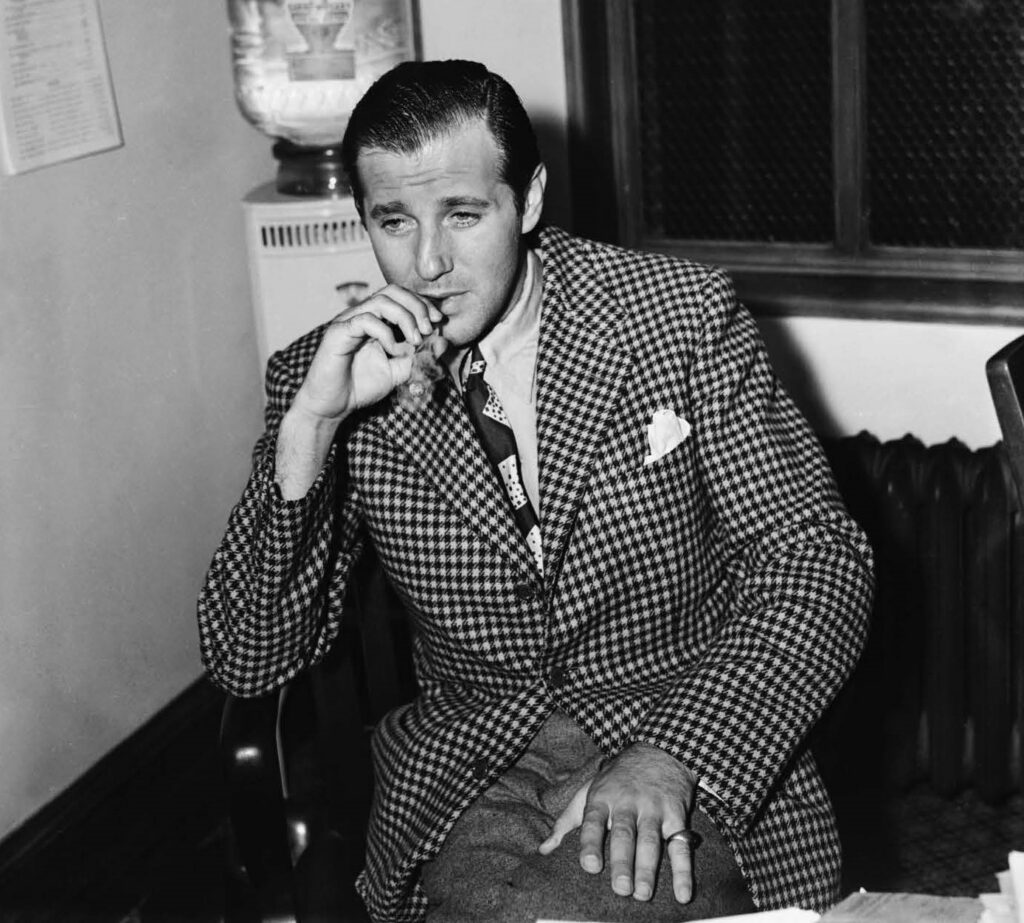
For anyone looking for proof of Benjamin “Bugsy” Siegel’s fashion sense, look no further than his black and white houndstooth sports coat. The Brooklyn-born mobster grew up in a poor Ashkenazi Jewish family on the Lower East Side. His father worked as a pants presser, among other jobs, and the family barely made ends meet. But his humble beginnings obscured a penchant for opulence and fame. As soon as he moved to Los Angeles in 1936, at age 30, he became a fixture in Hollywood society.
With that came a Hollywood-esque grooming and fashion regimen that he would stick to for the next decade. According to Michael Shnayerson’s book Bugsy Siegel: The Dark Side of the American Dream, Siegel would stop by the famous Drucker’s barbershop almost daily for a haircut, shave, manicure, massage, and shoeshine. He wore monogrammed shirts and $200 Louis Roth suits (about $4,000 today).
What set Siegel apart, though, were his accessories. The Mob Museum has on display a pair of his sunglasses from the 1940s, when sunglasses entered the mainstream thanks to the World War II pilots who popularized them. He also sported patterned ties, exquisite watches, monogrammed cufflinks, and, most notably, several rings. From a tiger-eye pinky ring to signet-style rings with his last initial, Siegel knew how to accessorize.
2. Stephanie St. Clair
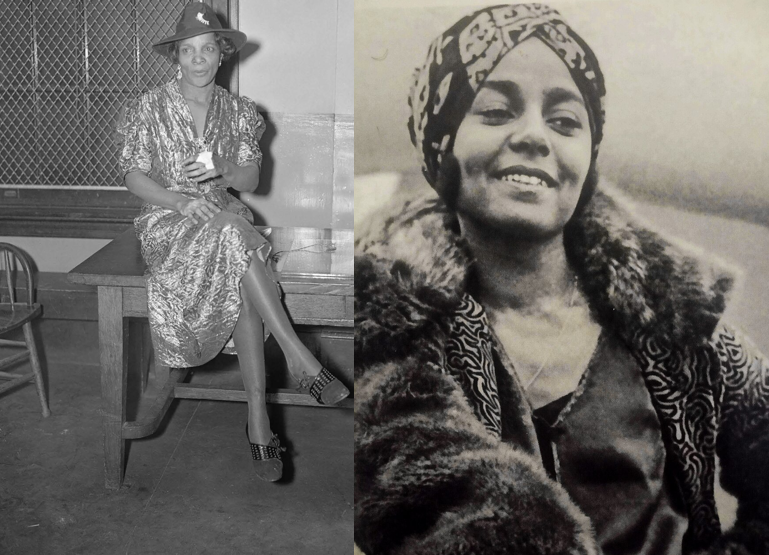
The men of organized crime aren’t the only ones who had fun with fashion. The most fashion-forward female boss was Stephanie St. Clair. She ran Harlem’s policy racket, an illegal street lottery, in the 1920s until Dutch Schultz and his associates edged her out of her own game. St. Clair’s sharp style exuded success and respectability, which would have been important in the policy game. As an immigrant from the Caribbean, it also would have helped ingratiate herself into Harlem society.
Although little is known about the fashion labels she donned, photos of her speak for themselves. Her impeccable outfits started with a statement headpiece, from a cloche to a slouchy fedora to a variety of well-wrapped turbans. In one of the most recognizable photos of St. Clair, she wears what appears to be a 1930s-style lamé cocktail dress accessorized with a brooch and chandelier earrings. Historical photos and contemporary newspaper accounts indicate she favored fur coats and owned many, including a mink coat and a squirrel coat.
Reports also highlighted the opulence of her jewelry. As noted in The Baltimore Afro-American on December 13, 1930, St. Clair appeared to testify in court while “wearing jewelry that could be converted into a small fortune.” The accompanying photo shows her wearing drop pearl earrings and a pearl necklace to accent a heavy, full-length mink coat and what appears to be a silk velvet dress. Her style exuded luxury and showed how the clothes can, in fact, make the woman.
1. John Gotti
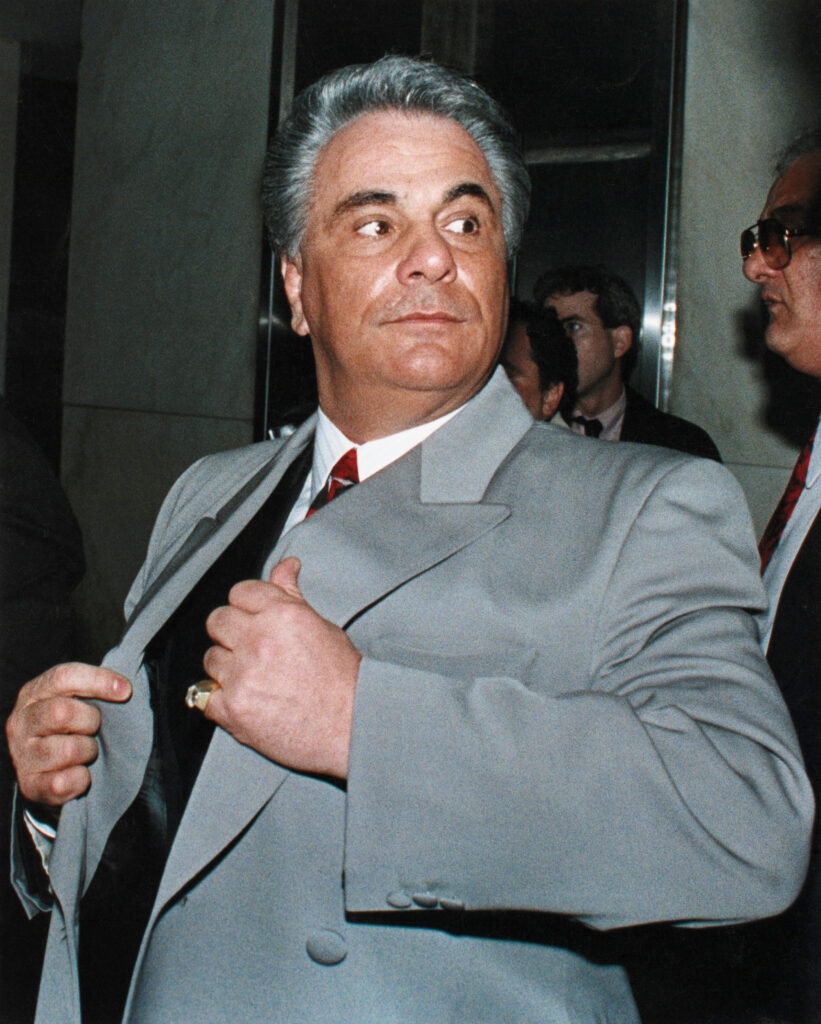
Gambino crime family boss John Gotti loved fashion, and his high-maintenance personal grooming was well known and well publicized. His reputation in the 1980s led the press to nickname him the “Dapper Don.” Beginning in 1986, when the nickname first appeared, reporters made a point of detailing his outfits and discussing the reasons for his immaculate dress. On July 19, 1986, the New York Daily News outlined how his attorney, Bruce Cutler, requested time for his client to leave prison so they could strategize while Gotti received valet service.
“My client takes great pride in his appearance, as the court knows,” Cutler said. “Physically coming into court haggard and worn and not impeccably attired does him a disservice when he is fighting for his life.”
Fashion was not a lifelong passion, however. Before the 1980s, Gotti was a mediocre dresser, better known for loud, patterned button-ups, baggy trousers, and brightly colored suits (think purple). But things changed around 1985 when he orchestrated the death of Paul Castellano and took control of the Gambino crime family.
One of the most notable aspects of Gotti’s style is how the silhouettes he favored differed from what others wore in the 1980s. While boxy cuts prevailed in both men’s and women’s fashion, Gotti went for a fitted look. He frequently wore tight-fitting, double-breasted suits with long collars, paired with hand-painted silk ties and matching pocket squares. According to a 1990 San Antonio Star article, a full Brioni getup—his favorite brand—would have cost between $2,000 and $3,000 (more than $5,000 today). Brioni wool and cashmere topcoats went for more than $4,000 in the same period. And although his shoes were generally understated, he favored $22 Gucci socks.
Gotti’s clothes complemented his public persona perfectly. He was one of the best one-man public relations machines since Chicago mob boss Al Capone. Gotti crafted a persona mirroring socialites and celebrities. He did not shy away from photographs or press interactions, and he frequented clubs such as Regine’s in Midtown Manhattan. Though he ultimately went to prison for numerous crimes, including tax evasion, loan sharking, racketeering, and five murders, he is still as widely known for his fashion as for his criminal exploits.
These fashionable fiends, fraudsters, and felons demonstrate that with great wealth comes the opportunity for great style. For many of these individuals and their contemporaries, clothes also served a financial purpose. Illegally gained income cannot be invested as easily as legal earnings. Purchasing expensive clothing, furs, or jewelry often was a safer way to retain wealth while also conveying a sense of success and power. And in a world where material wealth served this type of dual purpose, these five individuals took it to the next level with their innate style and fashion sensibilities.
Feedback or questions? Email blog@themobmuseum.org