




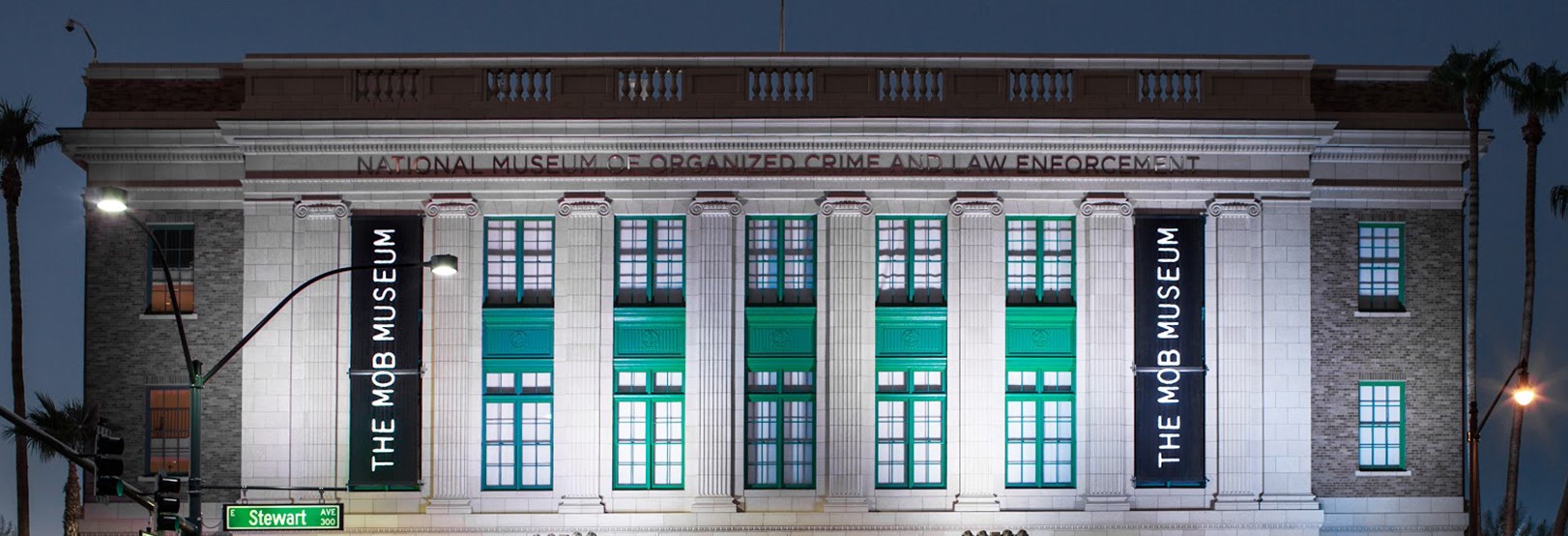
Robert Blakey, architect of the RICO Act that crippled the Mob, dies at age 90
Racketeering law gave prosecutors a powerful weapon to attack organized crime
No one made life more difficult for the Mob than Robert Blakey.
In 1969, Blakey, a Notre Dame Law School professor, left academia to serve as chief counsel of the U.S. Senate Judiciary Committee’s Subcommittee on Criminal Laws and Procedures. In that capacity, he crafted the Racketeer Influenced and Corrupt Organizations Act, which became known by its acronym, RICO.
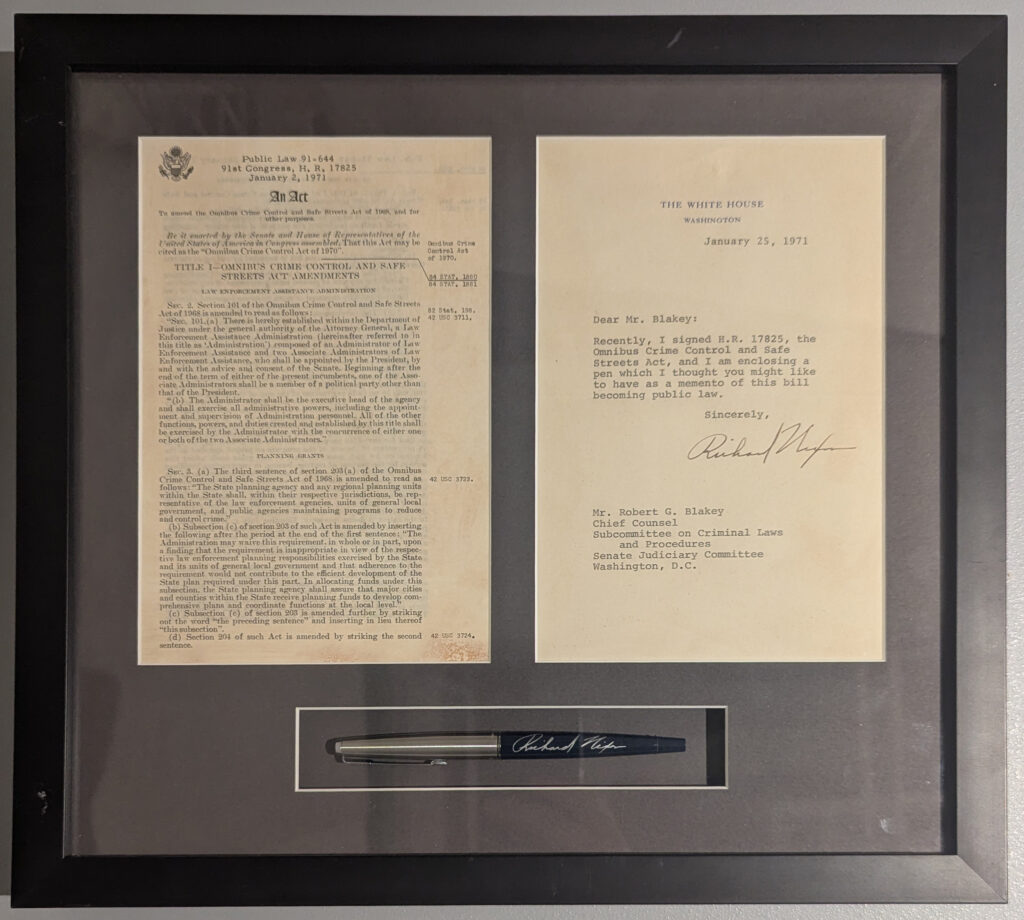
The racketeering law was part of the Omnibus Crime Control and Safe Streets Act, passed by Congress and signed by President Richard Nixon in 1970.
RICO proved to be a game-changer in the battle against organized crime. Before RICO, it could be difficult to build strong cases against Mob bosses because they often insulated themselves from criminal activities within their organizations. With RICO, prosecutors can develop wide-ranging cases showing that individuals who are linked to a criminal organization have been engaged in a pattern of illegal activity.
The General Accounting Office, praising the effectiveness of RICO, wrote:
“Before the [RICO] act, the government’s efforts were necessarily piecemeal, attacking isolated segments of the organization as they engaged in single criminal acts. The leaders, when caught, were only penalized for what seemed to be unimportant crimes. The larger meaning of these crimes was lost because the big picture could not be presented in a single criminal prosecution. With the passage of RICO, the entire picture of the organization’s criminal behavior and the involvement of its leaders in directing that behavior could be captured and presented.”
In the late 1970s, prosecutors started bringing RICO cases against organized crime groups in cities across the United States, with high-profile prosecutions in New York, Chicago, and Las Vegas. Powerful Mob bosses were convicted and sentenced to long prison terms, and their criminal syndicates were decimated.
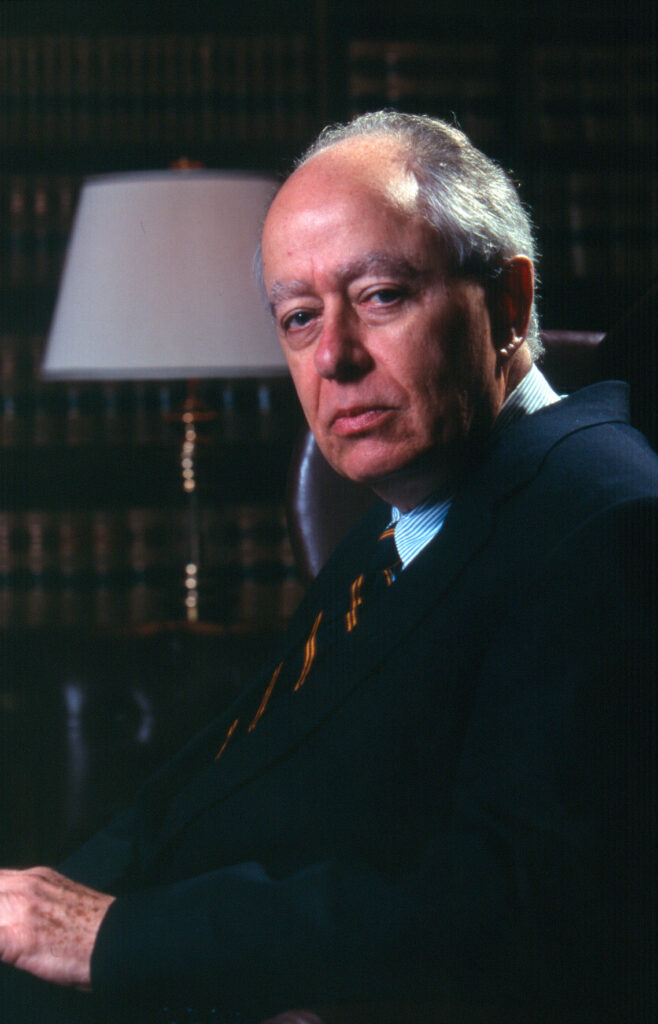
Blakey died of natural causes on May 1. He was 90. He retired from the Notre Dame Law School in 2012 and had been living with his son, federal judge John Blakey, in Oak Park, Illinois.
After earning his degree from the University of Notre Dame Law School in 1960, Blakey was hired by Attorney General Robert Kennedy to work in the Justice Department’s Organized Crime and Racketeering Section, where he helped prosecute mobsters, corrupt politicians, and union leaders. He served on the Notre Dame Law School faculty from 1964-1969, and again from 1980-2012.
The RICO Act has not been used only against the Mob. It also has been an effective tool to tackle political corruption, white-collar crime, terrorism, and street gangs. For example, in 1984, the Justice Department prosecuted the Key West (Florida) Police Department as a criminal enterprise, with high-ranking officers operating a protection racket for cocaine smugglers. In 2015, 14 individuals affiliated with FIFA, the world soccer organization, were indicted on financial fraud charges in a RICO case.
In a 1990 article for St. John’s Law Review, Blakey acknowledged but did not confirm the long-standing speculation that the RICO Act was named for the Edward G. Robinson character in the 1931 gangster film Little Caesar.
“It is a matter of speculation whether RICO, the federal statute, was named after Rico, the film character,” Blakey wrote. “Be that as it may, the statute was designed to change the ending of the movie. Rico, the film character, died at the hands of the police. The only due process he received was that of alley justice. A less memorable character in the film was ‘Big Boy,’ the upperworld figure behind Robinson’s underworld character. Big Boy, however, was neither shot by the police nor prosecuted under the law. RICO was, in fact, designed to change that result. RICO is not, in short, just for those whose names end in vowels.”
In the mid-1970s, Blakey returned to the public spotlight when he served as chief counsel and staff director for the U.S. House Select Committee on Assassinations, which investigated the assassinations of President John F. Kennedy and the Reverend Martin Luther King Jr. That investigation led Blakey to contend that the Warren Commission’s conclusions were incorrect, and that Lee Harvey Oswald was not the only gunman involved in the JFK assassination and that the Mafia may have been behind it. Blakey’s belief in a conspiracy to kill the president was laid out in his 1981 book The Plot to Kill the President, co-authored with Richard Billings. Other experts dispute Blakey’s position on the assassination.
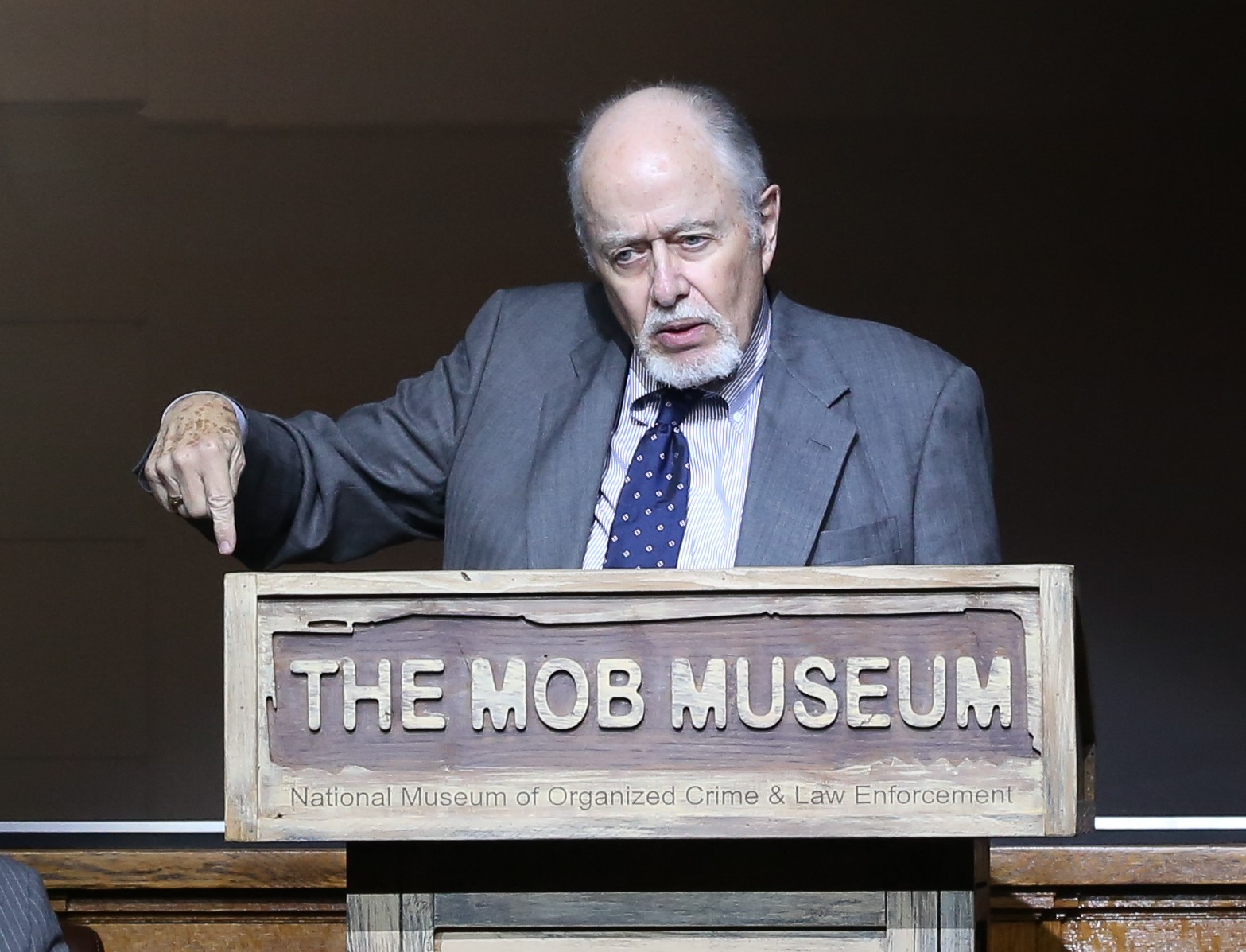
Blakey spoke at The Mob Museum in November 2013. He engaged in a spirited debate about the JFK assassination with authors Gerald Posner and Patrick Nolan. In a social media post honoring Blakey, Posner expressed his admiration for the man:
“Blakey argued hard but always with rigor, respect, and evidence. No theatrics. No insults. Just serious intellectual combat. On a topic too often drowned in noise and wild conspiracy theories, he was a model of how honest disagreements should be conducted. We never changed each other’s minds—but we always kept listening. He will be missed.”
In 2024, Blakey made a large donation of books, journals, government documents, photographs, and other objects to The Mob Museum. The materials, filling 25 boxes, represented the bulk of his personal library of books and documents about organized crime and the Kennedy assassination. Some of the books are filled with highlighted passages and handwritten notes, reflecting Blakey’s active engagement with the material.
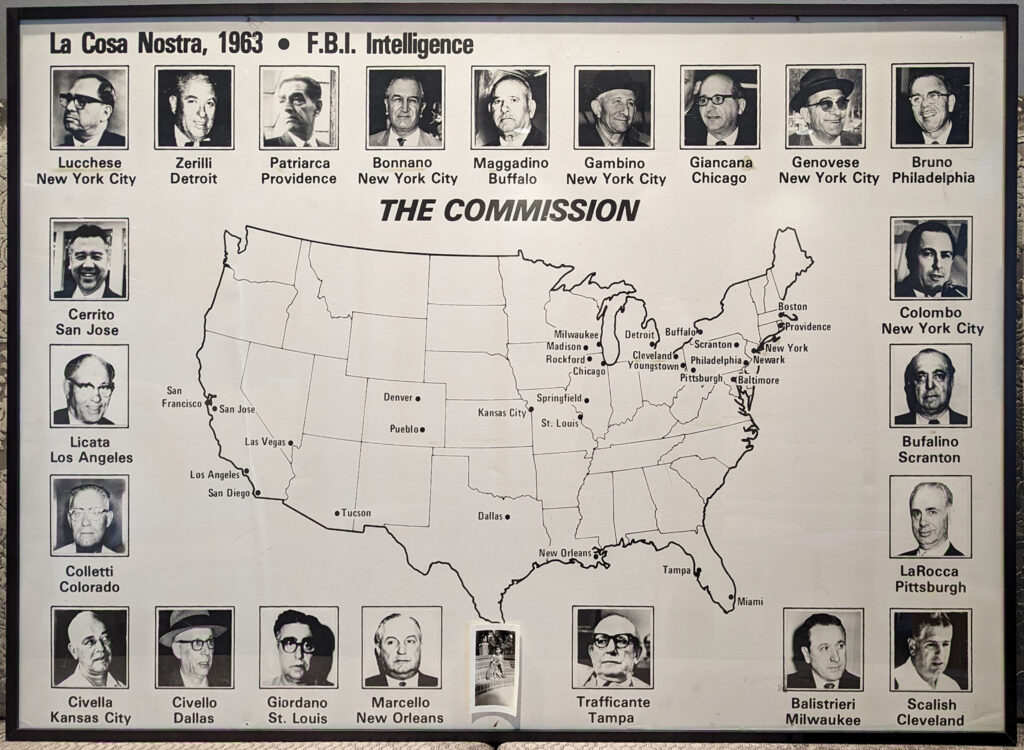
The donation includes a copy of the Omnibus Crime Control and Safe Streets Act signed by President Richard Nixon along with the pen he used to sign it. Another notable object is a 1963 trial exhibit depicting the national syndicate of Mafia families in cities across the United States.
Blakey is survived by his children Michael Blakey, Elizabeth Blakey, Marie Blakey, John Blakey (and wife Christina), Katherine Cox (and husband Michael), Christine Coury, and Margaret Clarke (and husband Kevin), as well as 18 grandchildren and three great-grandchildren. He was preceded in death by his wife, Elaine Menard Blakey, and his son, Matthew Blakey.
Feedback or questions? Email blog@themobmuseum.org