




Myth busted: Vietnam War-era drug traffickers did not smuggle heroin in soldiers’ coffins
Before his death, Ike ‘Sergeant Smack’ Atkinson debunked claim popularized by Frank Lucas
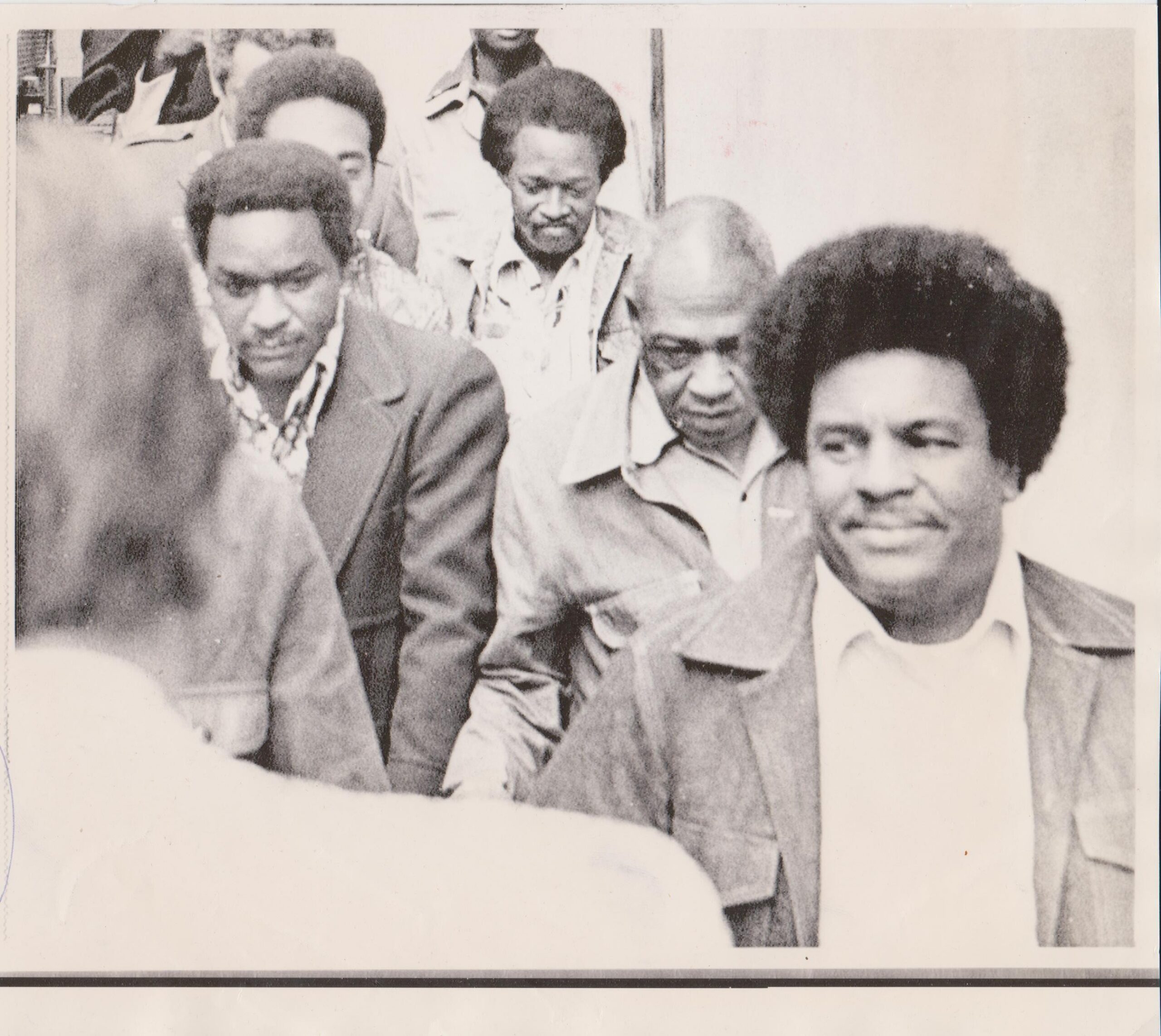
Fifty years after U.S. officials brought down Leslie “Ike” Atkinson, the claim that heroin was smuggled into the United States inside the coffins—and even the bodies—of dead American soldiers still persists. The mistruth, repeated in court and amplified by figures such as drug kingpin Frank Lucas, was absorbed into criminal folklore, becoming one of the most enduring myths of the Vietnam War-era drug trade.
Long before his 1975 arrest, Atkinson had already built the framework of a transnational operation. He and his partner, Herman Jackson, first crossed paths in the Army before going their separate ways. They reconnected in the late ’60s, when Atkinson became a silent partner in one of Jackson’s bars in Thailand.
Atkinson didn’t set out to build a trafficking network. “I was happy up until the time I was about to retire,” he later said. “I got court-martialed for gambling in the officers’ club. … I had 20 years in.”
Instead of continuing his military career, he resigned. “That’s how I got into the dope trade,” he said. “I got in through a friend of mine. … If it wasn’t for that, I probably would have stayed into gambling.”
Building a drug network
Atkinson and Jackson developed a network, largely made up of friends and family members, and operated out of Jack’s American Star Bar in Bangkok. They accomplished this outside the stranglehold of the Italian Mafia, which controlled most of the heroin business in the United States at the time.
Early smuggling methods were straightforward. Heroin was concealed in military luggage—duffel bags with false bottoms—and moved through channels that were not yet closely monitored, but those methods did not last. As enforcement tightened, the traffickers adapted.
By the early ’70s, Atkinson had shifted toward more sophisticated concealment, including shipments hidden inside teakwood furniture—custom-built, hollowed and far less conspicuous than a soldier’s bag. It was during this transition that the coffin myth took form.
The cadaver connection
The first real break came in December 1972, when authorities intercepted a shipment tied to Thomas Southerland, an associate in Atkinson’s emerging network. Acting on a tip, officials searched the aircraft and examined the two bodies on board for evidence of narcotics concealment. The search yielded nothing.
Still, the case marked a turning point. Atkinson was detained and released. Southerland would later be convicted of impersonating a member of the military, but not narcotics trafficking.
What the investigation did produce was something less tangible and far more consequential.
Around this time, investigators began to fixate on the theory that heroin was being transported in coffins. In some versions of the story, the drugs were even concealed within the bodies of fallen servicemen. The idea drew support from informants described as “reliable,” though their claims proved inconsistent in retrospect. They were correct about one central fact: The heroin network had real ties to U.S. military personnel.
Years later, when asked how the coffin story began, Atkinson pointed to a misunderstanding that, according to his account, spiraled far beyond its origin. He said he was experimenting with teakwood concealment methods when a carpenter came to his home in Goldsboro, North Carolina, to work on cabinetry. Around the same time, Frank Lucas visited.
“Lucas saw him out back and went over like they knew each other,” Atkinson said. “Then he asked what he was doing. I told him he was making coffins.”
There were no coffins—only hollowed furniture. Atkinson simply didn’t want Lucas to know his secret smuggling method and “casket” was an impromptu diversion.
“That’s probably where he got that from,” he said. “Nobody in my organization had anything to do with coffins. We were shipping drugs, but not in that way.”
Courtroom proceedings reinforced the rumor. At a preliminary hearing tied to the case against Southerland in 1973, prosecutor Michael Marr described “multi-kilo amounts of heroin, most frequently placed within the bodies of dead Vietnam veterans.” The striking claim was specific and graphic but unsupported. Nothing was recovered from the aircraft or the bodies.
By the mid-’70s, the coffin story had taken on a life of its own. In the 1980s and beyond, some narcotics agents continued to repeat the cadaver narrative in interviews and retrospectives, often presenting it as settled fact. In hindsight, much of this appears to reflect institutional memory and storytelling rather than verifiable evidence.
All the while, Atkinson remained just out of reach.
Taking down ‘Sergeant Smack’
Investigators had suspected Atkinson since at least 1969. He was detained in 1970 and released. A 1973 case collapsed after a key witness admitted to lying under oath. Jackson was eventually convicted of narcotics charges in Denver. Although authorities suspected Atkinson was a central figure in a Thailand-to-North Carolina drug pipeline, they struggled to make it stick.
In Goldsboro, he didn’t resemble the stereotypical image of a drug kingpin. Wayne County Sheriff W.I. Adams, who investigated Atkinson in 1975, told the local media, “He is very mild-mannered, humble.”
Investigators and the media addressed the contrast between his outward appearance and inner world. He drove a battered 1964 station wagon, but inside his home was plush carpeting and velvet-lined rooms, a level of luxury that suggested there was more beneath the surface.
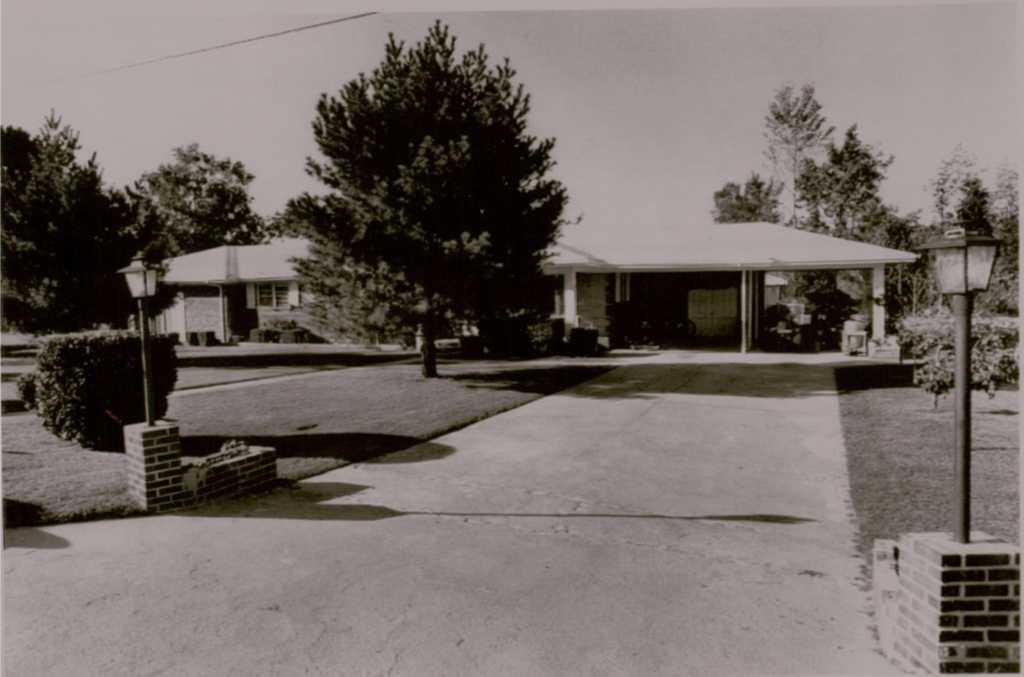
According to Atkinson, he took precautions when handling shipments, such as wearing gloves to avoid leaving fingerprints. But investigators recovered a handprint on heroin packaging that matched his military records containing full biometric files. That detail became the turning point in the case that ultimately led to his conviction in 1975.
The following year officially marked the end of Atkinson’s organization. In May 1976, Atkinson, who was already serving time for the 1975 bust, went on trial alongside nine others. By June 4, he and the eight co-defendants were convicted. Prosecutors argued he continued directing the operation from prison.
The ‘Superfly’ effect
Years later, the coffin story resurfaced. Before his 2007 release from federal prison, Atkinson was handed a copy of New York magazine, containing a 2000 interview with Frank Lucas. The “Cadaver Connection” tale and Lucas’s life story were also made into the popular 2007 film American Gangster, starring Denzel Washington.
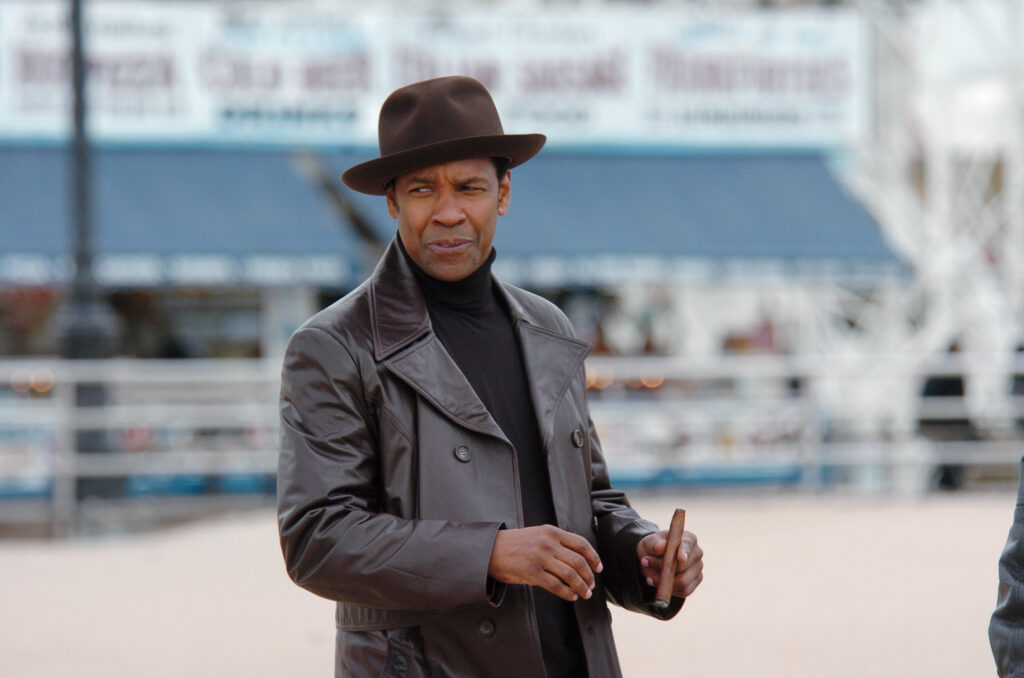
Much of what Atkinson read and later saw, he said, bore little resemblance to the reality he knew, particularly Lucas’s claims about how they smuggled heroin from Southeast Asia to United States.
“All that stuff you saw in American Gangster is just a movie,” Atkinson said. “It had nothing to do with the real story of transporting heroin from Thailand.”
The images of heroin hidden in the coffins and bodies of American soldiers became inseparable from drug trafficking in the Vietnam era. But the reality was less theatrical and far more efficient.
During his book tour with author Ron Chepesiuk, from 2010 to 2012, Atkinson publicly challenged Lucas several times to a sit-down debate, but Lucas never responded. In 2014, Atkinson died at 88. Lucas stuck to his version until his death in 2019.
Author’s note: Portions of this article draw from a telephone interview conducted by the author with Leslie “Ike” Atkinson in 2011, before his death in 2014.
Christian Cipollini is an organized crime historian and the award-winning author and creator of the comic book series LUCKY, based on the true story of Charles “Lucky” Luciano.
Feedback or questions? Email blog@themobmuseum.org