




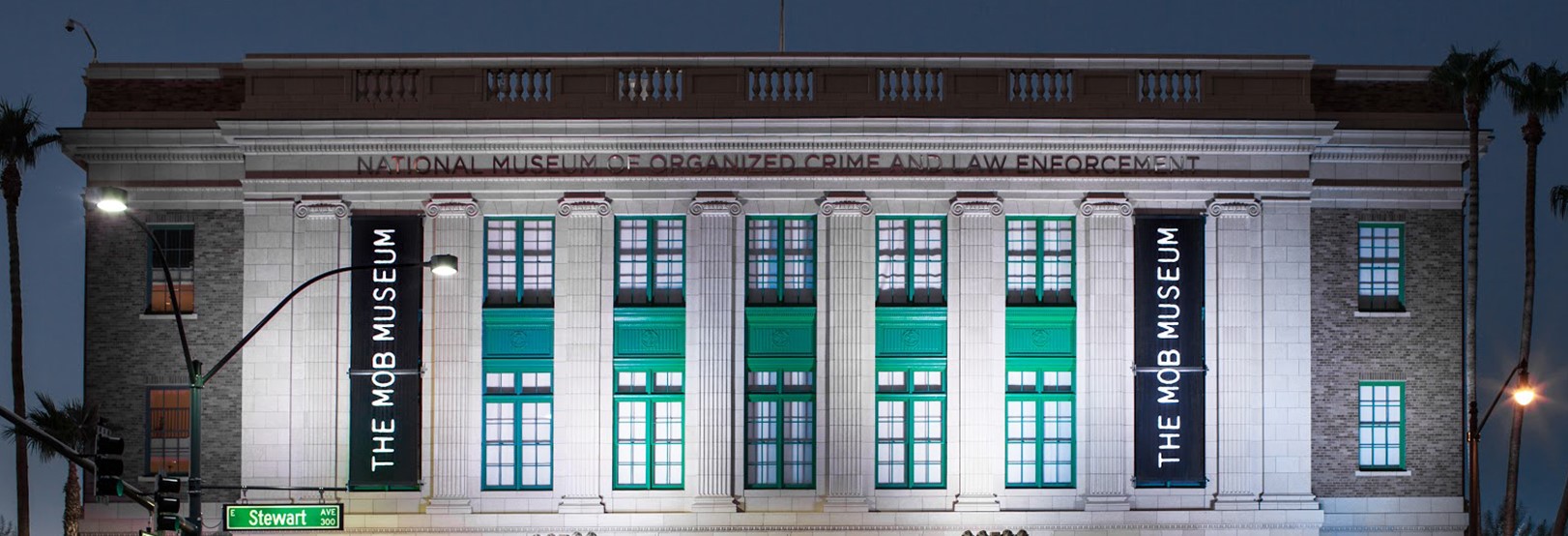

Mafia hitman Sammy ‘The Bull’ Gravano is subject of proposed movie at Steven Spielberg’s production company
The film, based on script by Nick Pileggi, is in its early stages
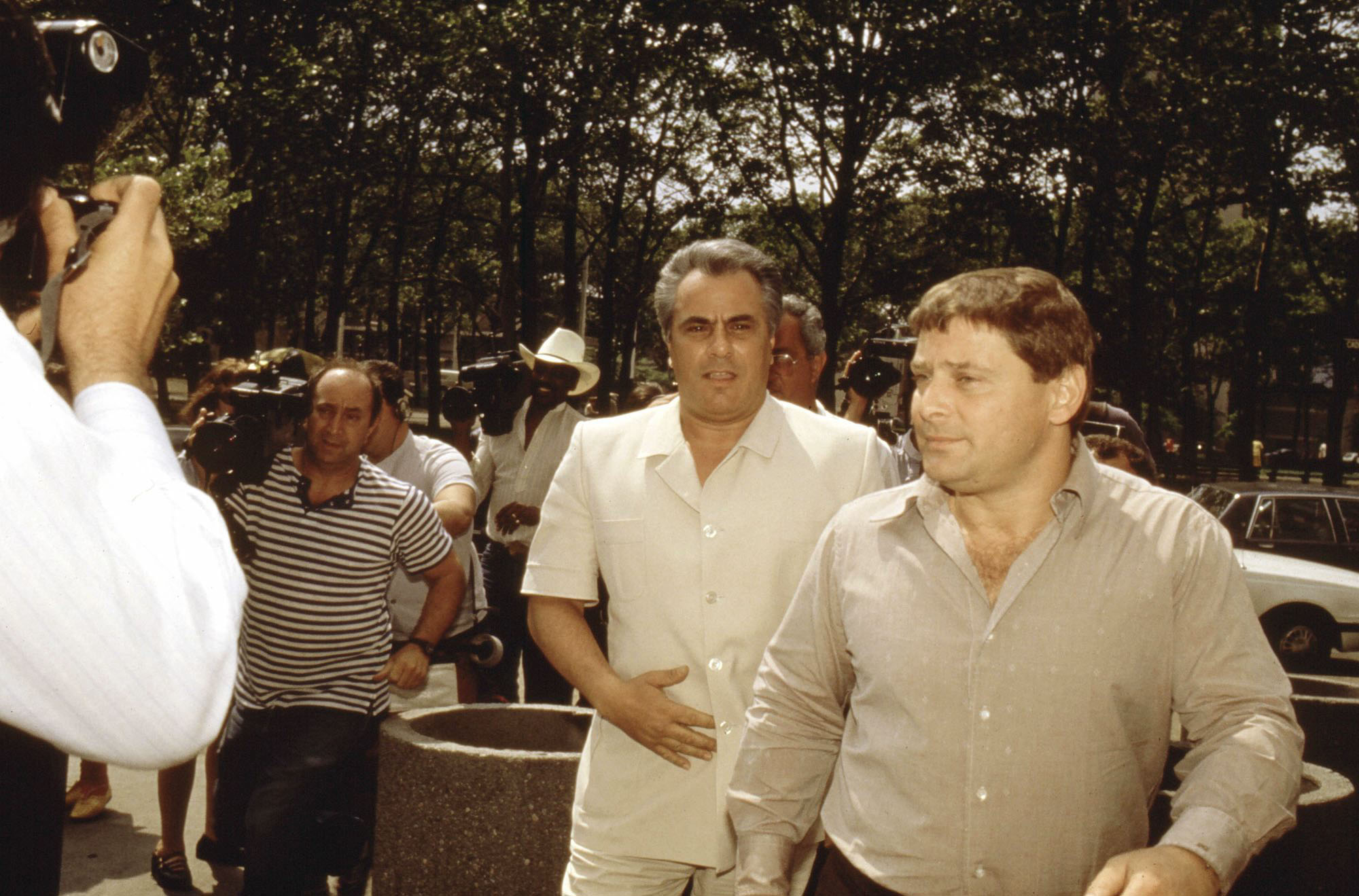
A movie about New York Mafia hitman Sammy “The Bull” Gravano is in its early stages at film director Steven Spielberg’s production company, Amblin Entertainment.
The proposed movie is based on a script by veteran screenwriter Nicholas Pileggi, according to the New York Post. An author and journalist, the 93-year-old Pileggi has a string of film credits that include co-writing Goodfellas and Casino with director Martin Scorsese. The most recent movie based on a script by Pileggi, The Alto Knights, was released in 2025.
Spielberg reportedly is not going to direct the Gravano movie, but a standalone Mob film at his production company would be a departure from the Oscar winner’s extensive résumé, which includes movies such as E.T., Schindler’s List, and Saving Private Ryan. According to the Post, Brothers McMullen director Ed Burns is “in talks” to direct the as-yet-untitled Gravano movie.
‘A surge of power’
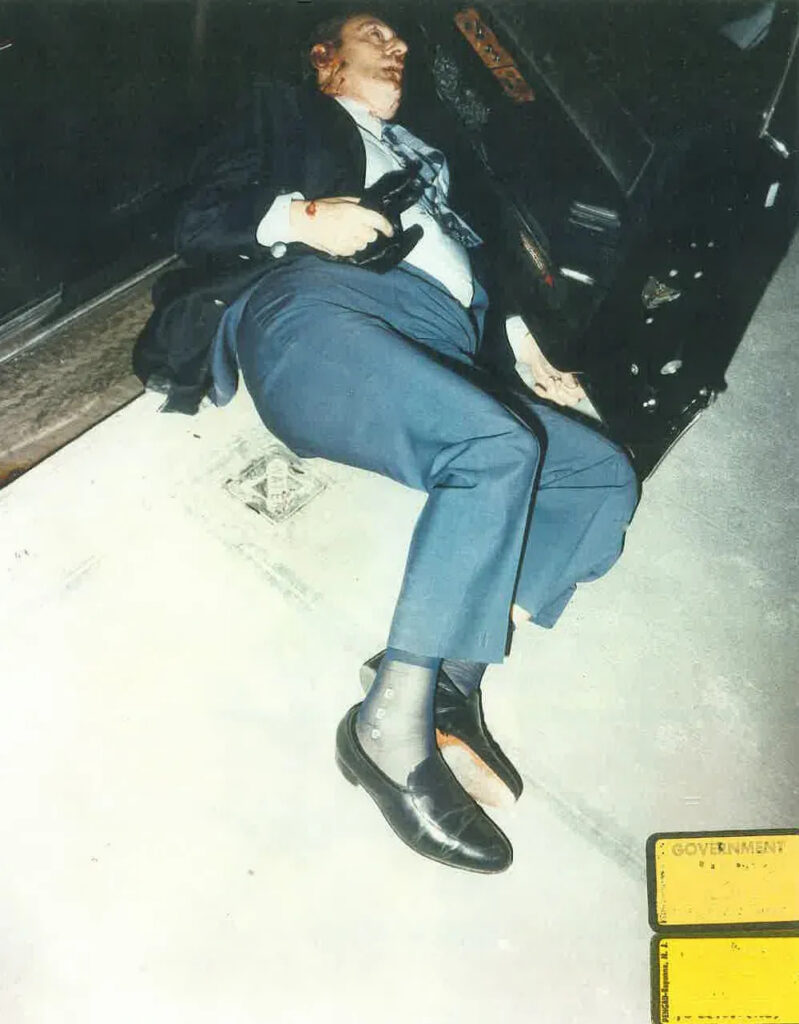
Gravano’s status in the Gambino crime family became clear on December 16, 1985, when he and John Gotti watched from a nearby car as then-boss Paul Castellano and top aide Thomas Bilotti were gunned down in an assassination that Gotti and Gravano orchestrated. The deadly attack occurred outside Sparks Steak House in New York City, propelling Gotti to the top spot with Gravano at his side.
Gravano’s penchant for violence came early in life. During his school years, as a “slow learner” and dyslexic student, he lashed out at children who laughed at him, according to Selwyn Raab in Five Families: The Rise, Decline, and Resurgence of America’s Most Powerful Mafia Empires. After attacking two teachers, Gravano was transferred to a school for troublemakers and finally, by age 16, was a dropout. His desire to fight back led him to the gym, where he received formal instruction in self-defense. “Slender, barely 5 feet 5 inches tall, Gravano took boxing lessons to protect himself from bullies,” Raab wrote.
Gravano told friends that you don’t have to know how to read to learn to box. “His Napoleonic-style pugnacity earned him a nickname,” according to Raab. “A local mobster, watching the enraged Gravano in a fist fight, observed, ‘He’s like a little bull.’ After that, he was forever dubbed ‘Sammy the Bull’ or ‘Sammy Bull.’”
At age 25, Gravano committed his first murder “to make his bones” with the Colombo crime family, “whacking another wannabe who had offended a made man,” Raab wrote.
“I felt a surge of power,” recalled Gravano, whose attraction to the Mafia lifestyle was inspired by The Godfather movie. “It’s just that killing came so easy to me.”
Though Gravano was skilled at loansharking and other crimes, in addition to being “a reliable, iron-nerved enforcer,” the Colombo clan authorized him moving over to a Gambino crew, Raab wrote. This occurred because the Colombo crime family wanted a peaceful resolution to Gravano’s feud with one of its capo’s relatives.
In 1975, Gravano was welcomed into the Gambino crime family and continued his violent rampage, bulking up on anabolic steroids that cost at least $3,000 a week. By 1986, “he had soared from the rank of soldier to one of the family’s three acting street bosses,” Raab wrote.
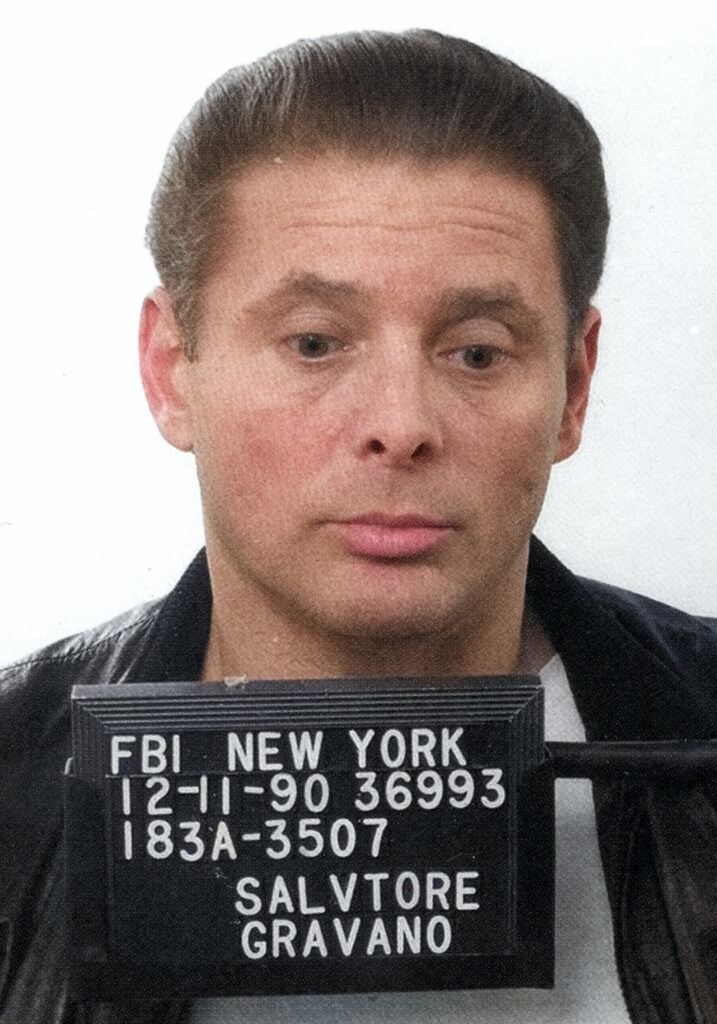
Gravano’s rise in the New York underworld ended on December 11, 1990, when he, Gotti, and Gambino ranking member Frank LoCascio were arrested at the Ravenite social club on Mulberry Street in Manhattan’s Little Italy.
Fearing his boss would use him to escape prosecution, Gravano testified in 1992 against Gotti, known by then in New York tabloids as the “Dapper Don.” Gravano also confessed to killing 19 people in his role as enforcer.
Gravano’s appearance in court created shockwaves. According to New York crime reporter and author Tony DeStefano, the Gambino underboss’s courtroom testimony against Gotti had ramifications in the underworld that were “deep, wide, and continuous.”
“Sammy Gravano’s decision to cooperate with the U.S. government was one of those seismic moments in the history of organized crime,” DeStefano wrote in Gotti’s Boys: The Mafia Crew That Killed for John Gotti.
After Gravano became a federal witness, he and Gotti met different fates. On June 10, 2002, Gotti died of cancer in a federal prison hospital in Springfield, Missouri. He was 61.
Gravano spent a short time in the federal Witness Protection Program before settling in Arizona in 1995. In 2000, he was arrested again for running an ecstasy trafficking ring and went back to prison until 2017.
Larry McShane, an author and retired newspaper reporter, told The Mob Museum that Gravano remains “persona non grata within the New York Mafia, after cooperating with the feds to take down 37 of his fellow defendants a few decades back.”
McShane added that Gravano is not hard to find these days. “He’s a regular on social media and his busy website,” McShane said.
Gravano has an active YouTube channel. He hosted a podcast titled “Our Thing” from 2020 to 2022 and still regularly posts videos for his “LIVE with Sammy the Bull” series. He also has a website selling branded apparel and signed collectibles.
“For example, Gravano was peddling his own line of Christmas cards just last year,” McShane said, “and he became a born-again Christian in May of 2025, distancing himself from organized crime, so far.”
Pileggi adds authenticity
During the Mafia’s heyday in New York, Pileggi was a crime reporter operating out of a shared press room called “the shack” on Centre Market Place, a short street across from what then was the police headquarters. Famed tabloid photographer Arthur Fellig, known as Weegee, lived in cramped quarters near the shack but often was out roaming the city to be first at sites where news was happening.
In those days, many reporters came up from the streets and were well-connected with sources on both sides of the law, aggressively competing for sensational crime stories. “It was another age, before being a reporter was even thought of as a reasonable profession,” Pileggi said in Paper of Wreckage: The Rogues, Renegades, Wiseguys, Wankers, and Relentless Reporters Who Redefined American Media. The book is a narrative history of the New York Post by Susan Mulcahy and Frank DiGiacomo. Pileggi didn’t work for the Post, but his wife, Nora Ephron, did, and he was familiar with other Post reporters.
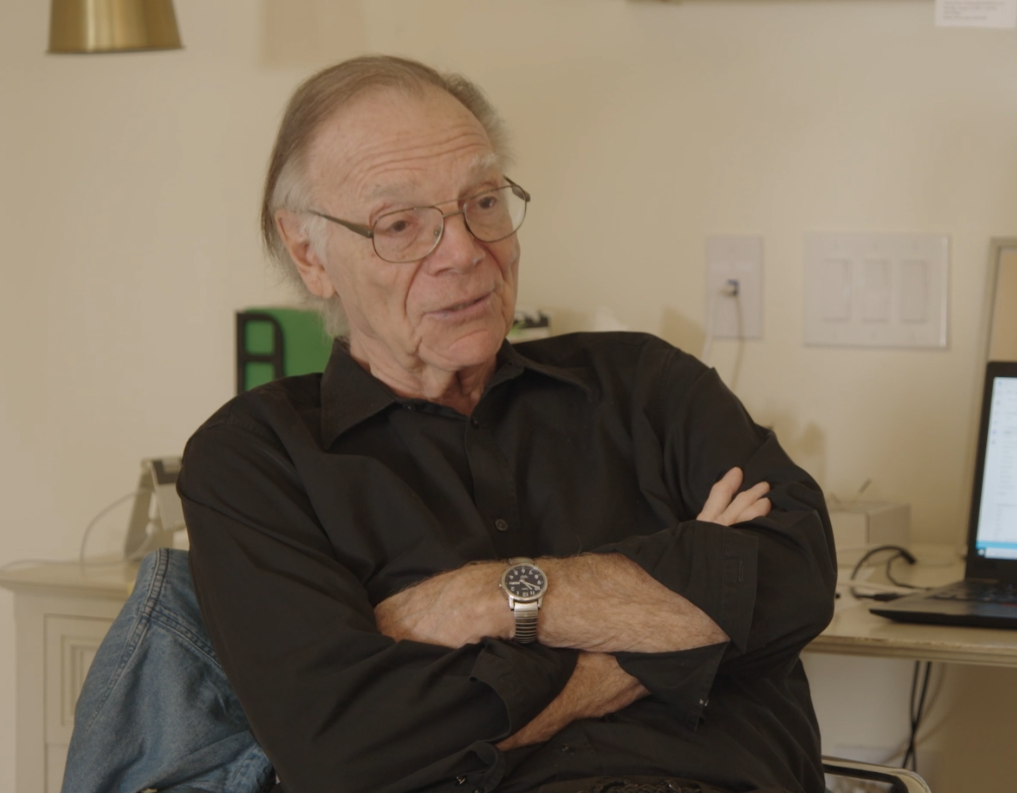
“The police reporters in those days were really good because they had such an intimate connection with the police,” Pileggi said. “Back then, a lot of the reporters I worked with, they hadn’t been to college or anything. It was a blue-collar job. It was Watergate in the ’70s that really turned journalism into kind of a fancy job. Suddenly, the kind of reporter you had was socially and economically from a different class.”
Pileggi said younger reporters at crime scenes “didn’t know one person there.”
“Before, I remember going to scenes of crimes with these guys and they knew everybody,” he said. “They had brothers who were detectives, for god’s sake. They weren’t covering cops and firemen as an alien culture.”
Pileggi told the New York Times that police detectives would hang out at the shack, where crime reporters from the city’s various newspapers worked. “I’ve been in many a card game in the shack with police captains,” Pileggi said.
In this environment, Pileggi’s sources included cops on one side and, on the other, underworld figures like those he saw around the neighborhood while growing up in Bensonhurst, Brooklyn, as the son of an Italian immigrant father. This background informed Pileggi’s crime stories as an Associated Press reporter and later as a writer for New York magazine. It also led to his Mob books Wiseguy, later made into the movie Goodfellas, and Casino: Love and Honor in Las Vegas. The Las Vegas book was released in 1995 just before the movie Casino came out.
Pileggi’s source network and his knowledge of the streets add authenticity to his Mob stories, according to his peers.
“Nick’s work in the genre is so effective because he grew up, so to speak, as a newspaperman covering the Mafia in New York City at a time when the Mafiosi were running things in various industries and were celebrities,” DeStefano told The Mob Museum. “Nick got to know and write about the New York gangsters through the years, which gave him not only a unique institutional history of crime but also a sense of the gangster culture, the language, and their code of conduct. Nick knew the real stuff of the Mob, which gave him the right stuff to write about. His writing always rings true.”
McShane said Pileggi’s success can be traced to his years as “a great street reporter, dogged and determined to find and file the big story.”
“He turned bad guys into impeccable sources, including a chatty gangster named Henry Hill,” McShane said. “The pair hit it off, with their meeting leading to the Mob movie classic Goodfellas, directed by Scorsese, with Hill providing his first-person tales of life inside the Lucchese family.” In Goodfellas, Ray Liotta portrays Henry Hill.
Even if the Gravano project falls through, early interest in it indicates Mob movies are still popular. DeStefano said that is because the Mafia is a “part of modern American folklore.”
“The characters are like those of old Westerns, with stark portrayals of good and evil, as well as some nuanced characters like we saw in Goodfellas and Casino,” he said. “I also think the public lives vicariously through the criminal lives portrayed on the screen.”
Larry Henry is a veteran print and broadcast journalist. He served as press secretary for Nevada Governor Bob Miller and was political editor at the Las Vegas Sun and managing editor at KFSM-TV, the CBS affiliate in Northwest Arkansas. He is a member of The Mob Museum’s Advisory Council.
Feedback or questions? Email blog@themobmuseum.org