




Chicago Outfit mobster Tony Spilotro and brother Michael murdered 40 years ago this month
Las Vegas-based enforcer failed to keep low profile while protecting Mob’s casino interests
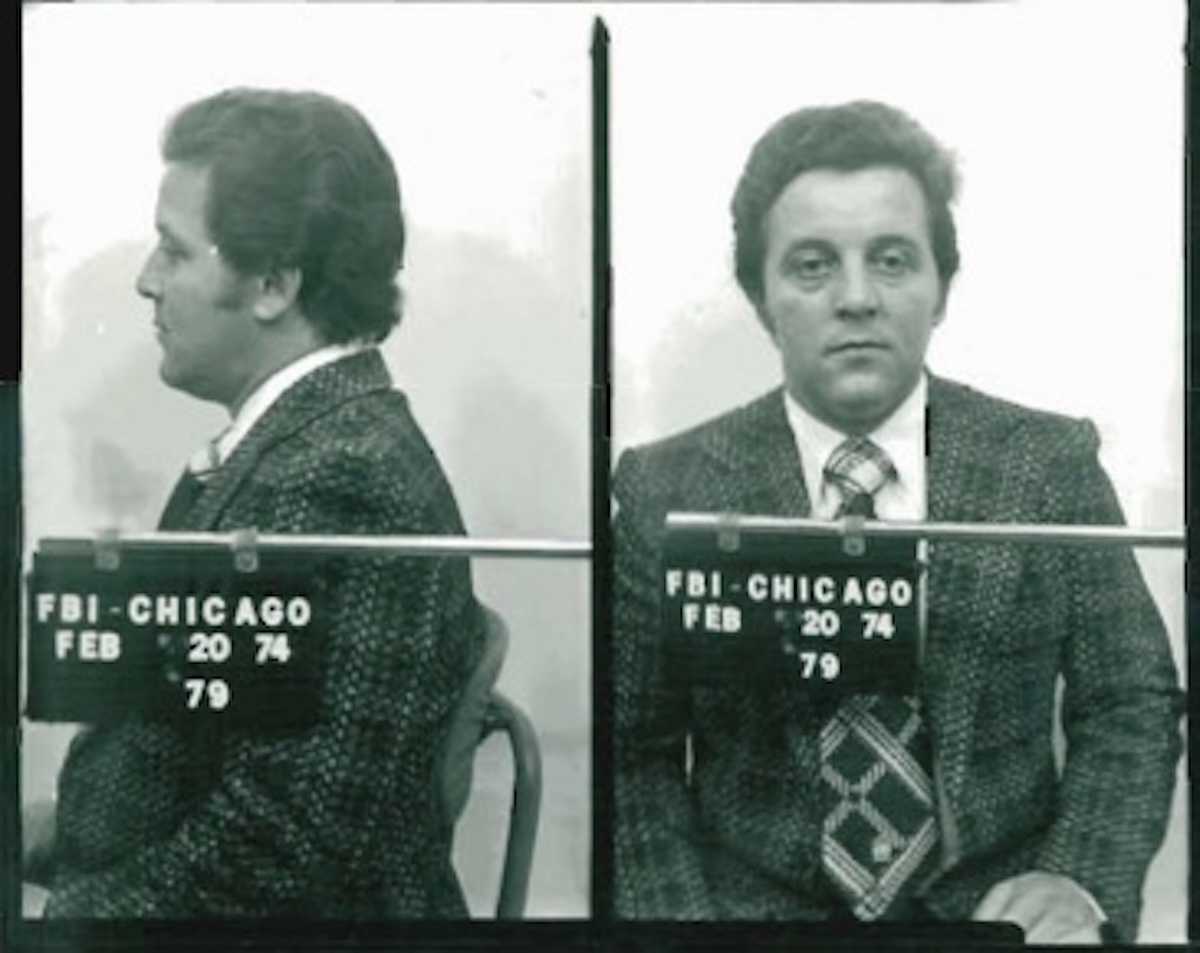
Forty years ago, Tony Spilotro’s neon excesses gave way to the cold reality of Midwestern soil.
In June 1986, a shallow grave in a remote Indiana cornfield closed the book on one of the most volatile chapters of the Las Vegas Strip. The discovery of the beaten bodies of Spilotro and his brother Michael marked the beginning of the end of the Chicago Outfit’s tenure in Las Vegas. His legacy remains a grim example of what happens when a mobster begins drawing too much unwanted attention.
Mob killer to Las Vegas enforcer
Born May 19, 1938, in Chicago, Spilotro became involved in crime at a young age. By his mid-20s, he reportedly had become a made member of the Chicago Outfit. Throughout the 1960s, he built a reputation as an increasingly feared enforcer, with violence as the foundation of his role.
By the early 1970s, that reputation made him valuable enough for a strategic deployment. Around 1971, Spilotro was sent to Las Vegas to replace Marshall “Johnny Marshall” Caifano, who could no longer protect the Outfit’s interests after being sent to prison several years earlier.
The Outfit didn’t send just anyone west. Boss Tony “Joe Batters” Accardo believed he could control Spilotro, who would protect his interests without drawing unnecessary attention. Spilotro was supposed to operate in the background, reinforcing the Outfit’s presence while safeguarding its most important revenue stream: the casino skim. The Mob made a fortune by removing uncounted cash from its properties before the government could take its cut.
Law enforcement later identified Spilotro as a “junior member” in 1974 Outfit hierarchy charts, but by the end of the decade his reputation had far outpaced that label. By 1980, he was widely considered the most feared enforcer in Las Vegas.
The Casino affair
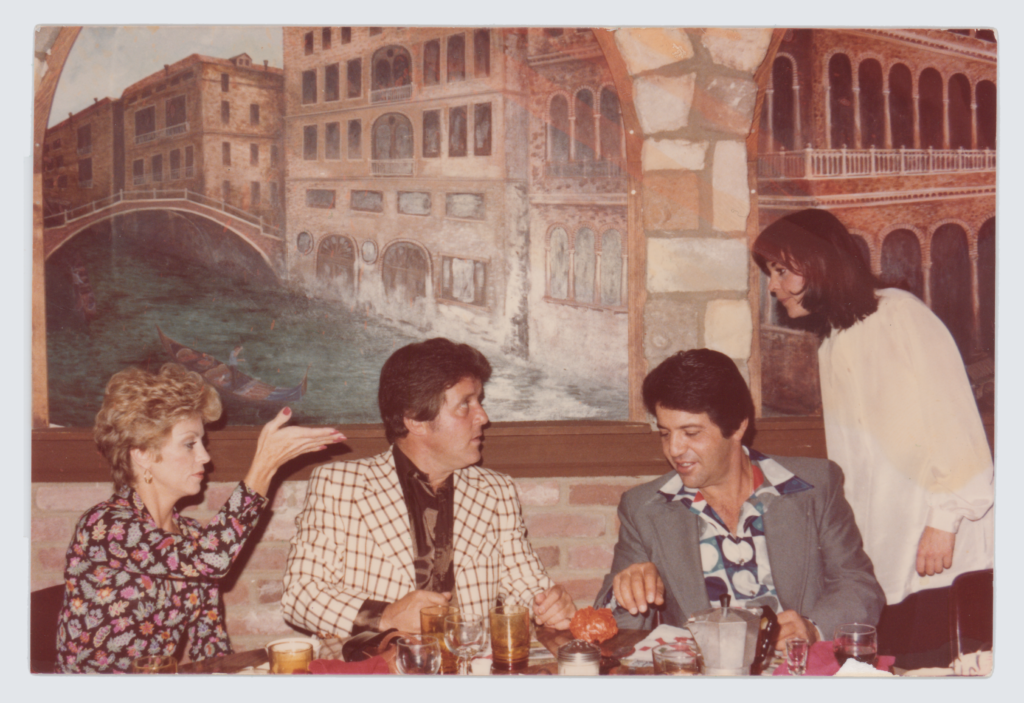
Spilotro’s Las Vegas story began with Frank “Lefty” Rosenthal. As the Outfit’s mechanism for turning casinos into dependable pipelines of cash, Rosenthal oversaw the skim at the Stardust, Fremont, Hacienda, and Marina hotel-casinos. A disciplined operator, he could maximize profits while maintaining the appearance of legitimacy. His position was too valuable—and too exposed—to leave unprotected.
Spilotro’s job was not to run casinos or build an independent empire but to serve as insulation. His presence was supposed to deter interference, protect the skim, and ensure money flowed quietly back to Chicago and other Midwestern cities. It was a calculated balance of intellect paired with intimidation and legitimacy shielded by violence. For a time, it worked.
Although Spilotro and Rosenthal grew up together as friends, their relationship in Las Vegas was less a friendship than a functional alliance. Rosenthal was the architect, and Spilotro was the enforcement. But that balance depended on strict boundaries—which soon began to erode.
Rosenthal’s association with Spilotro subtly exposed a relationship that was never meant to be visible. In a system built on plausible deniability, the relationship tied a polished casino executive directly to a known enforcer, blurring the line that kept the operation protected. Rosenthal’s link to Spilotro and the Outfit also prevented him from obtaining a gaming license.
At the same time, Spilotro was becoming harder to control. His growing visibility, side operations, and reckless behavior cut directly against the low-profile structure that had made the Las Vegas operation successful in the first place.
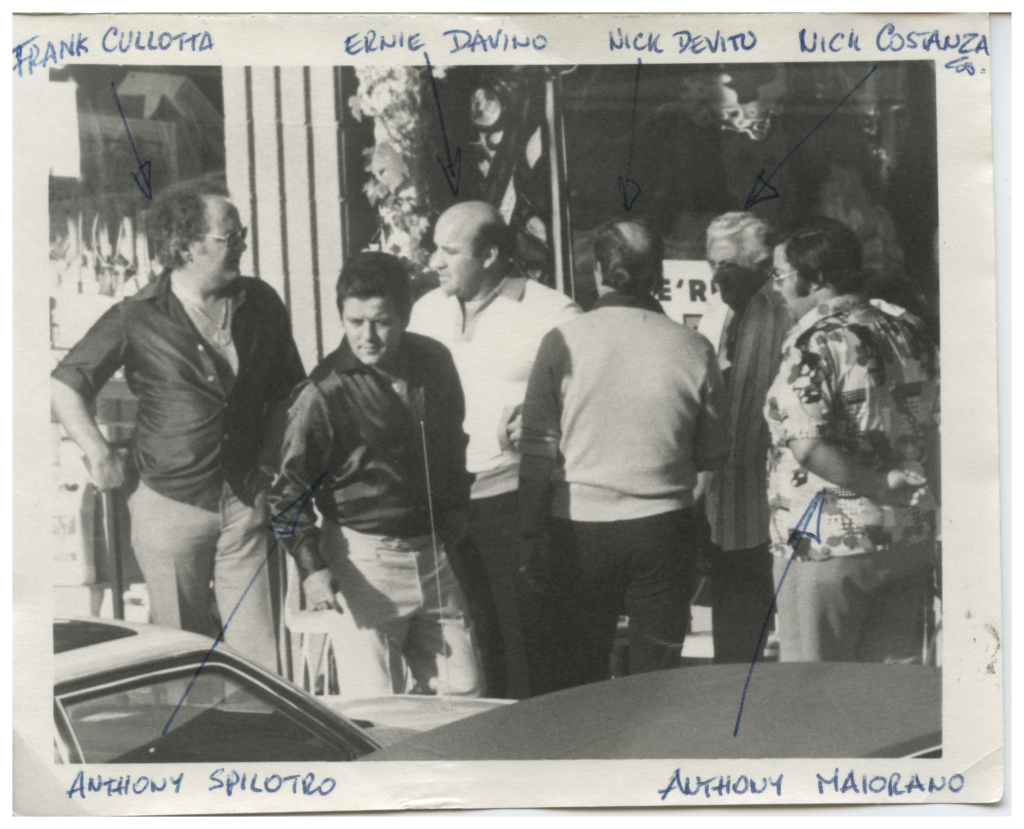
One high-profile blunder came from his burglary crew, the Hole in the Wall Gang, which Spilotro had set up in Las Vegas. The group’s nickname came from its method of entry in burglaries—the gang members bypassed window and door alarms by punching through walls and ceilings with power tools.
On July 4, 1981, six members of the crew were arrested in the process of stealing from a home furnishings store. An informant within the crew foiled the attempted burglary. After the bust, the leader of the crew, Frank Cullotta, became a government witness in 1982.
A brutal sendoff
As Spilotro and Rosenthal tried unsuccessfully to avoid making headlines, federal investigations began to expose the Las Vegas skim. What had once been a quiet, highly structured flow of money back to Chicago and other Outfit-controlled cities was now under sustained scrutiny from state and federal investigators.
As indictments mounted, longtime Outfit bosses and high-ranking members faced prison time, effectively dismantling parts of the organization’s leadership. In that climate, the margin for error disappeared. The same operation that had once generated enormous profits had become a liability—and anyone contributing to instability was viewed accordingly.
Compounding tensions were long-circulating rumors that Spilotro had crossed a personal boundary involving Rosenthal’s wife, Geri. The optics were bad. In an underworld system built on discipline and clearly defined roles, even the suggestion of that kind of violation added strain to an already fragile structure.
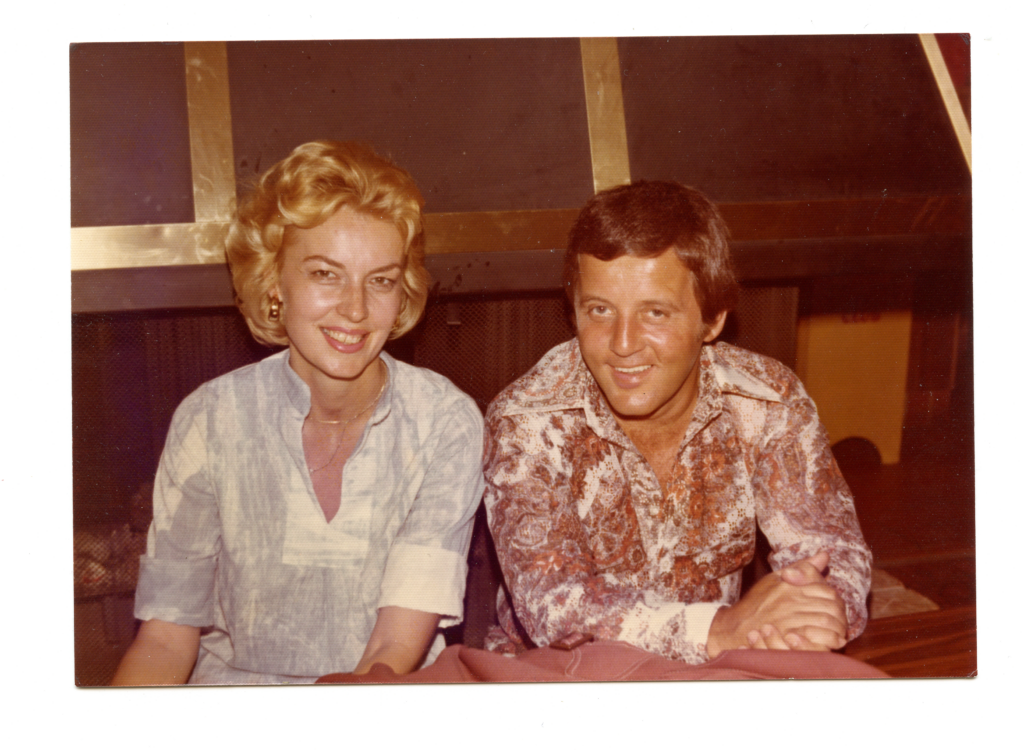
Further straining relations was Spilotro’s suspected involvement in the 1982 car bombing of Rosenthal. Rosenthal survived the assassination attempt. Although Spilotro was never charged, he was—and remains—the primary suspect, which did him no favors.
By 1986, Spilotro’s accumulation of misdeeds, criminal charges, and suspicions had escalated his status to a liability.
The death of Tony “the Ant”
“This looked like punishment, pure and simple. I don’t think it was intended to be a message, because the bodies weren’t supposed to be found,” said Doug Roller, former chief of the Justice Department’s Organized Crime Strike Force in Chicago.
By the time the Outfit moved against Spilotro, what had once made him valuable now made him dangerous. Federal pressure, increased visibility, and his inability—or unwillingness—to remain within defined boundaries had shifted his role from protection to exposure.
On June 14, 1986, Spilotro and his brother, Michael, were called to a meeting at a home in the Chicago suburb of Bensenville. In testimony years later, during the 2007 Family Secrets trial, Outfit hitman Nick Calabrese revealed that the meeting was an ambush. Surrounded by multiple Outfit members in the home’s basement, the brothers were beaten and strangled to death.
A cleanup crew then transported the bodies across the state line into Indiana and buried them in a cornfield outside of Enos. About a week later, a farmer plowing the cornfield discovered the burial site.

Family members later testified that both men expressed unease before leaving that day—an awareness, however vague, that the meeting carried risk. But in that world, refusing a summons was a death sentence in itself.
In the days that followed the murders, Spilotro was reported missing. To law enforcement, he briefly appeared to be a fugitive. In reality, he was already gone.
The murder of the Spilotro brothers reflects how the system responds when control begins to slip. Within the Outfit’s structure, independence was often more dangerous than incompetence. As Spilotro became harder to manage, he shifted from asset to liability—and liabilities are removed.
In the end, the violence surrounding the Spilotro murders didn’t resolve cleanly—it rarely does. Several individuals later tied to the killings would face their own reckoning, whether in courtrooms decades later or within the same system that sanctioned the hit.
The cornfield in Indiana was a reminder that in the Outfit’s world, endings are rarely final, and accountability often arrives long after the bodies are buried.
Christian Cipollini is an organized crime historian and the award-winning author and creator of the comic book series LUCKY, based on the true story of Charles “Lucky” Luciano.
Feedback or questions? Email blog@themobmuseum.org