


‘Ketamine Queen’ conviction over Matthew Perry’s death highlights evolving drug trade
Hollywood drug dealers and Chilean cartels take advantage of trending anesthetic
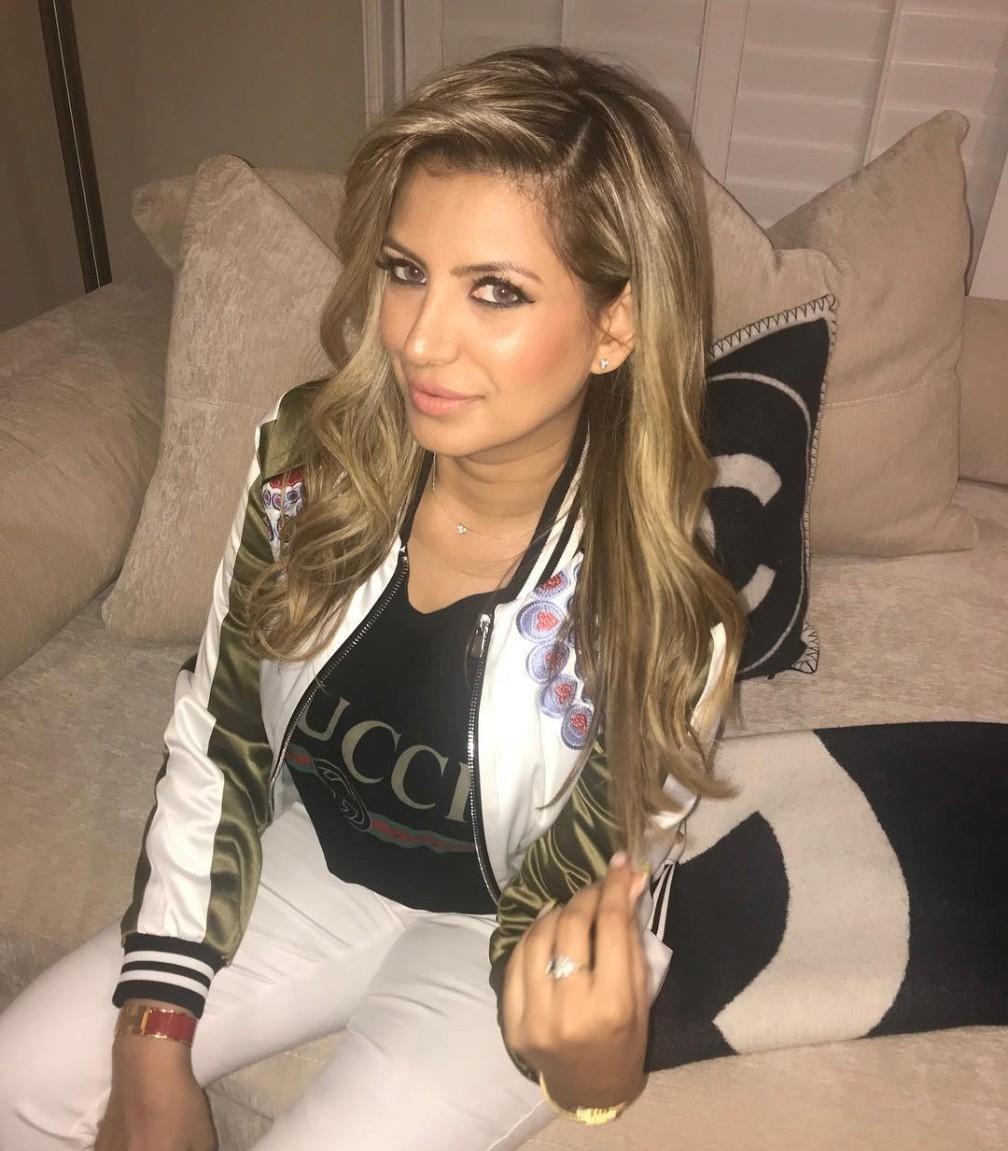
Cartels have held a monopoly on the drug trade for decades, but there’s a new supplier in town. Medical professionals with a prescription pad are increasingly the suppliers of widely abused pills to drug dealers catering to the rich and famous. The recent conviction of “Ketamine Queen” Jasveen Sangha uncovered a small part of an emerging trend in drug trafficking.
Earlier this month, a federal court sentenced Sangha, 41, to 15 years in prison for selling ketamine to several individuals who subsequently died by overdose, including well-known actor Matthew Perry, best known for his role as the wise-cracking Chandler Bing in the hit sitcom Friends.
According to his obituary in The New York Times, Perry was “found unresponsive in a hot tub at his home in Los Angeles” on October 28, 2023. The Los Angeles County medical examiner reported that Perry died from the “acute effects of ketamine” with “drowning,” “coronary artery disease,” and effects from opioids contributing to his death. He was 54.
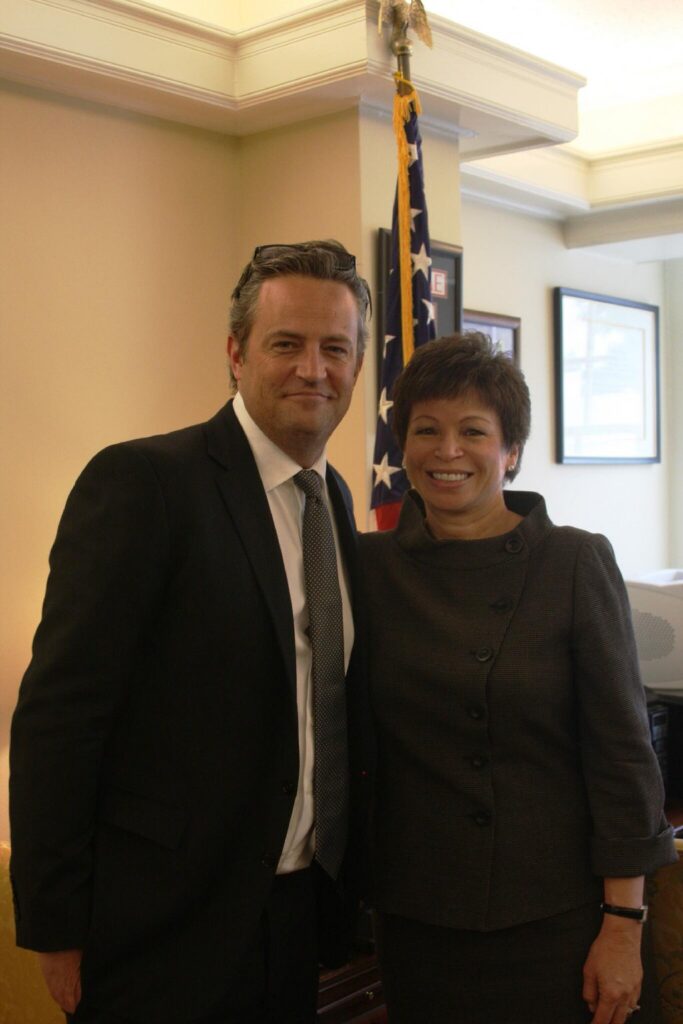
Perry’s live-in personal assistant, Kenneth Iwamasa, listed as a “co-conspirator” in the Sangha indictment, acquired and administered the ketamine to Perry. According to court records, Iwamasa injected the actor with at least 27 shots of ketamine in the five days leading up to his death. Film and television director/producer Erik Fleming, also named as a co-conspirator, acted as an intermediary for Sangha and Iwamasa.
Sangha sourced the drugs from two California-licensed medical doctors, Salvador Plasencia and Mark Chavez, who were listed in the indictment as co-defendant and co-conspirator, respectively. Plasencia taught Iwamasa how to administer the drugs to Perry.
The apparent exclusion of the cartels from Sangha’s supply chain indicates an evolution of the drug trade. While cartels have gradually found ways to incorporate ketamine into their operations, Sangha’s short-lived success demonstrates an emerging niche for dealers with wealthy clientele.
Rise of the ‘Ketamine Queen’
Born to a wealthy family, Sangha was positioned for a life of comfort. A dual British American citizen, she grew up in Calabasas, an affluent suburb of Los Angeles. After graduating high school, she attended the University of California, Irvine, followed by a sojourn in London to earn an MBA. It appeared to be the start of a promising career.
However, some of her friends told the New York Post that Sangha returned to Los Angeles in 2010 a changed woman. Although she apparently “got a nose job and maybe other things done to her face,” the shift was more than physical. Following a failed nail salon venture, she fell into the partying scene and became a promoter. In this role, Sangha had access to party drugs and began dealing them as a side gig, which would evolve into a new illicit career path.
Foreshadowing this new life, Sangha once created a website about the Mafia on Tripod, a now-defunct web-hosting site, while at UC Irvine. The pages on the site included “Mafia Mug Shots,” “Famous Mafia Faces” and “Favorite Mafia Movies.” The latter mentions her love of the 1983 film Scarface, which featured Al Pacino as Cuban drug trafficker Tony Montana in Miami. Like Montana at the beginning of the film, Sangha had just arrived on the shore of her own Miami.
Around the same time, her family’s wealth began to falter. According to a BBC report, her mother and stepfather ran several Kentucky Fried Chicken franchises. Sangha worked as an area manager for multiple KFC locations during her time at UC Irvine, indicated by her LinkedIn profile. But in 2013, the company sued her parents for “failing to pay royalties to the company for the use of its branding,” leading to her stepfather declaring bankruptcy. With her fallback apparently eliminated, Sangha was even more pressed to find new sources of income.
With a group of women known as the “Kitties,” Sangha frequented nightclubs and hosted lavish, themed parties across California, including “white” parties, “glitter” parties and “shroom-shroom” parties, a friend of Sangha’s, Tony Marquez, told the BBC. The latter hints at a key feature of these extravagant gatherings: drugs. The parties became known for their supply of legitimate ketamine.
Wary of street dealers who tried to pass off fentanyl for party drugs, Sangha first sourced her ketamine from legal pharmacies and veterinarians in Mexico. Around 2019, her supply became large enough that she rented a home in North Hollywood to serve as a “stash house.”
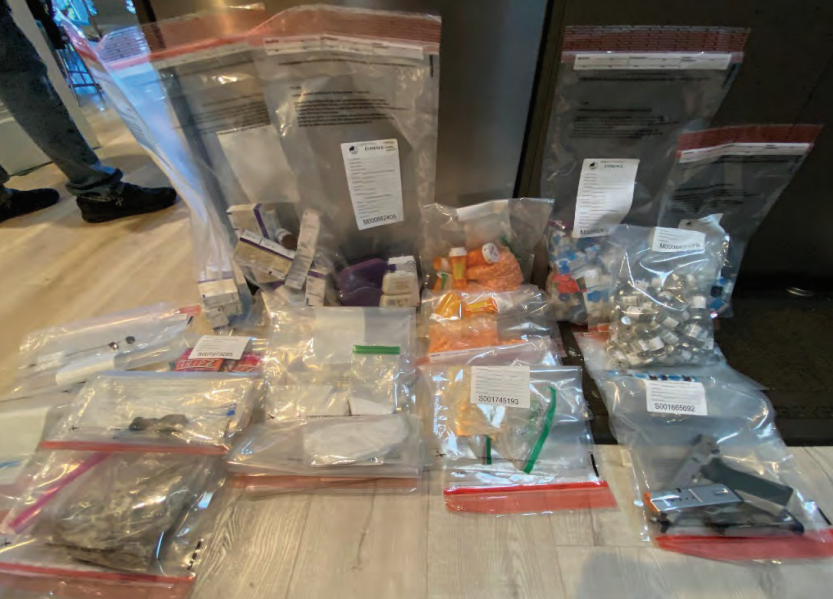
Later that year, the Ketamine Queen claimed her first victim. On August 26, 2019, Sangha sold ketamine to Cody McLaury. Within 24 hours, he was dead. “The ketamine you sold my brother killed him,” Kimberly McLaury, the victim’s sister, wrote in a text message to Sangha. “It’s listed as the cause of death.”
Court records show that within a few days of the message, Sangha did a Google search: “can ketamine be listed as a cause of death.”
Sometime in the early 2020s, Sangha checked into a rehab clinic, where she was reported to have met Perry. By this time, Sangha had been conspiring with the doctors, Plasencia and Chavez, as her suppliers. In text messages, she referred to her source as “master chef” and “scientist” and called ketamine bottles “cans of Dr. Pepper.” In a message to Chavez, who ran a ketamine clinic, Plasencia wondered “how much this moron will pay” for the drug, referring to Perry.
Nearly a year after Perry’s death, Sangha and her co-conspirators were arrested and charged on counts related to the distribution of ketamine. Sangha had tried to delete the digital evidence of their crimes, but many of the messages were still revealed in the indictment. With such damning evidence, Sangha, facing up to 65 years in prison, entered a guilty plea in September 2025.
Remarkably, Sangha had figured out a way to circumvent the Latin American drug cartels. The key to her success lay in her drug of choice.
An ‘impractical’ drug for cartels
Ketamine is a powerful anesthetic with hallucinogenic effects, sometimes referred to as a “horse tranquilizer.” A DEA fact sheet notes that users of the drug “feel detached from their pain and environment.” Ketamine was developed in the 1960s and, following its FDA approval in 1970, was administered to soldiers for emergency surgery during the Vietnam War.
Alongside MDMA, it’s a common substance found at nightclubs, festivals and raves. It can be injected, inhaled via nasal spray or taken via pills or dissolvable lozenges. Although overdoses by ketamine use alone are rare, recreational use of the drug is seldom done in isolation.
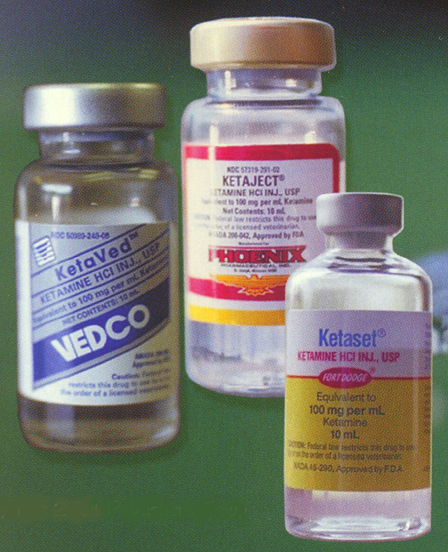
Legitimate use of ketamine on patients is administered only under close supervision by a medical professional. It is often used today in hospital emergency departments, which have immediate access to life-saving equipment such as automated external defibrillators (AEDs) and supplemental oxygen. In recent years, however, ketamine clinics have appeared wherein low doses are used to treat depression and chronic pain.
Reality television and high-profile celebrities have popularized the use of ketamine as an alternative treatment for depression. On an episode of the Hulu reality show The Secret Lives of Mormon Wives, a couple is shown going to a Utah ketamine therapy clinic to supplement marriage counseling. American model Chrissy Teigen and Tesla CEO Elon Musk have both touted their use of ketamine.
“Ketamine is helpful for getting out of the negative frame of mind,” Musk told former CNN reporter Don Lemon in a 2024 interview.
Because of its medical applications, illicit ketamine is almost entirely sourced from pharmacies, hospitals and clinics. It’s also a common drug for sedating pets, making veterinary clinics a popular source for ketamine dealers. But unlike fentanyl, you won’t typically find Latin American cartels making their own ketamine.
According to the National Drug Intelligence Center, producing ketamine is a “complex and time-consuming process, making clandestine production impractical.” Making ketamine requires specialized equipment, precise environmental conditions and technical expertise. Still, some Latin American cartels have gradually found ways to introduce ketamine to their supply.
Tusi, the ‘pink cocaine’
In 2019, a pink concoction was first reported in American nightclubs and rave parties. Dyed with pink food coloring, “pink cocaine” is a synthetic drug cocktail containing a mix of various illicit substances. Combinations in the mixture may include cocaine, fentanyl, methamphetamine, MDMA and ketamine.
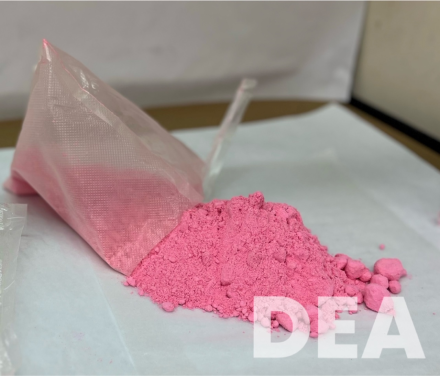
In The American Journal of Drug and Alcohol Abuse, New York University professor Joseph Palamar wrote that the original variety of the drug, called 2C or 2C-B, emerged in the rave scene in the 1990s. This version contained phenethylamine, a drug derived from amphetamine with stimulant and psychedelic properties. In the 2000s, the drug found its way to Medellín, Colombia, where Pablo Escobar once ruled the world of cocaine trafficking. However, in the late 2010s, illicit drug manufacturers in Colombia sought a “cheaper copycat version” of 2C. Mimicking the effects of 2C, this new drug cocktail became known as “tusi,” “tucibi” (the phonetic spellings of 2C and 2C-B in Spanish) or “pink cocaine.” Today, tusi rarely contains 2C.
Celebrities have elevated the profile of pink cocaine. Vanity Fair reporter Kase Wickman wrote that among the famous people using tusi were New England Patriots wide receiver Stefon Diggs and rappers Cardi B and Sean “Diddy” Combs. Combs, who is currently serving a 50-month sentence for a prostitution-related conviction, allegedly required his employees to always carry the drug, according to a lawsuit. Tragically, a toxicology report also found the drug in British singer Liam Payne’s blood, which contributed to his fatal fall from a hotel balcony in 2024.
Tusi is how cartel drug manufacturers have entered the illegal ketamine trade. The lower cost of the pink drug makes it easier to manufacture and cheaper to buy. According to a report by InSight Crime, Chile has one of the largest synthetic drug markets in Latin America, with ketamine leading in volume. Nearly all tusi produced in Chile contains ketamine as the base.
Cartel activity in Chile has been increasing over the past few years. Part of the surge is because of organized crime groups from other countries setting up shop in the country, including the Jalisco New Generation Cartel of Mexico and Tren de Aragua of Venezuela. However, Chile has its own powerful drug trafficking gangs, such as Los Marchant.
Los Marchant is run by members of the Marchant family, including Francisco Marchant and his daughter, Antonella Marchant. Although both are currently in prison, Antonella is believed to be the gang’s de facto leader. According to Chilean court documents, Francisco worked with the suppliers while Antonella led the distribution of drugs, including marijuana and tusi.

While in prison, Antonella developed a romantic relationship with another tusi trafficker, Sabrina Durán Montero, who was murdered by rivals following her May 2023 release. Durán Montero, also known as “La Ina,” was best known for becoming a TikTok influencer while behind bars. Under the name “Joakina Gusman,” a nod to Sinaloa Cartel boss Joaquín “El Chapo” Guzmán, Durán Montero had more than 600,000 followers. Her social media success fit her position as a trafficker of what Palamar calls an “Instagrammable” drug.
Tusi continues to be a popular drug—Coachella attendees this week are certain to encounter the pink powder. But there remains a market for pure, unadulterated ketamine, particularly among the wealthy. The Ketamine Queen is behind bars, but the niche remains open for a new trafficker to take the crown.
Feedback or questions? Email blog@themobmuseum.org