




New York’s ‘Mafia Cops’ faked arrests, leaked information to aid Mob killings
Twenty years ago, two ex-NYPD detectives were convicted of murder, racketeering
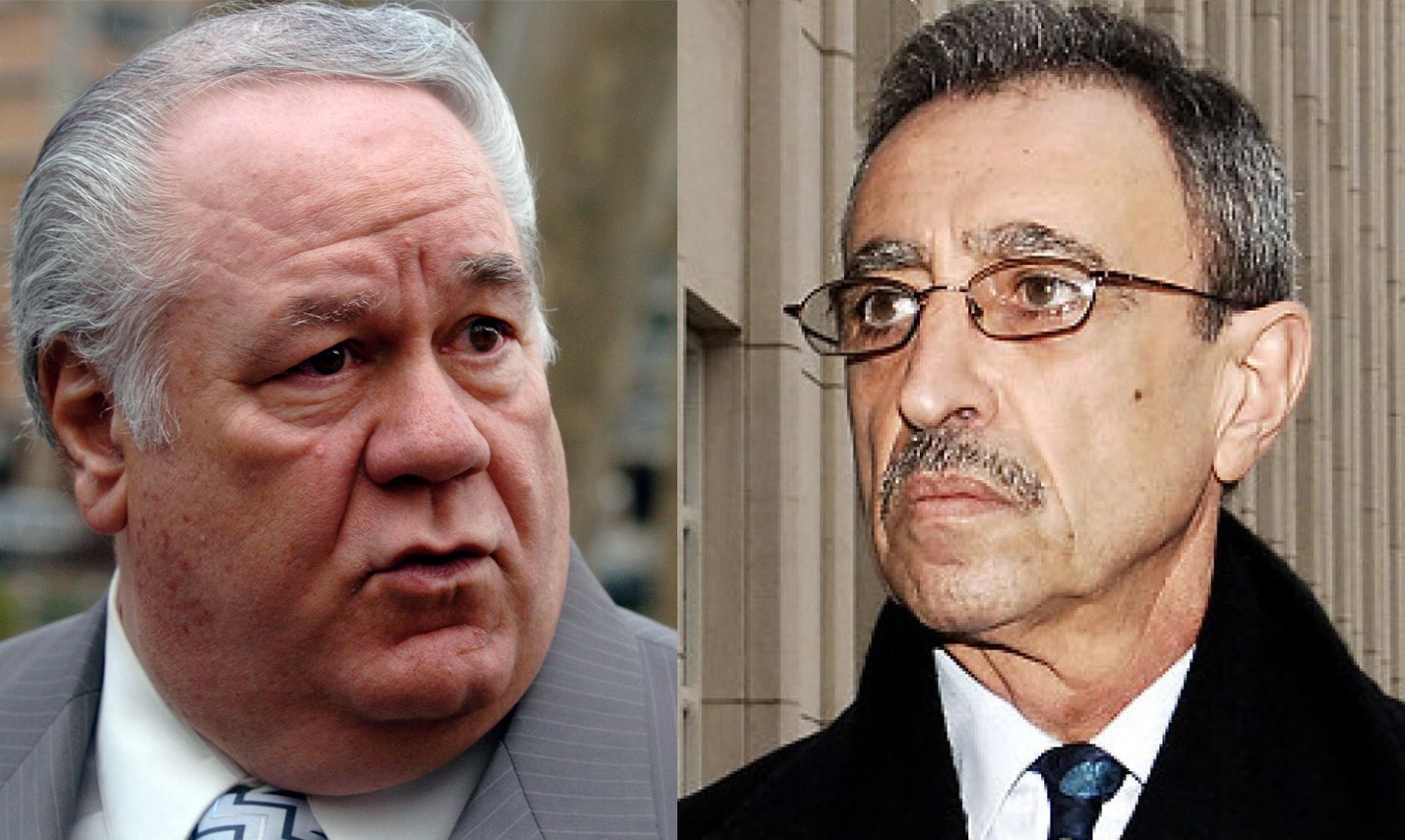
In March 2005, two retired New York City detectives were arrested without much fanfare outside of Piero’s, a restaurant near the Las Vegas Strip. There was no shootout or dramatic chase, just federal agents closing in on a story that had circulated in law enforcement circles for years.
The men in custody were Louis Eppolito and Stephen Caracappa. Once-decorated members of the NYPD, they were charged with acting as paid killers for the Mafia.
A federal jury convicted them 20 years ago this month. By the spring of 2006, as they stood in a New York courtroom awaiting sentencing, the rumor that two NYPD detectives had secretly worked for the Mafia was no longer speculation. Federal prosecutor Daniel Wenner described it as “the bloodiest, most violent betrayal of the badge this city has ever seen.”
For Eppolito, the story began before joining the NYPD. Raised among relatives tied to organized crime, he entered law enforcement carrying a background that blurred the lines from the beginning. By the early 1990s, he had leaned into that identity publicly, framing his life as a dual narrative of Mob proximity and police work. He even authored a book titled Mafia Cop: The Story of an Honest Cop Whose Family Was the Mob.
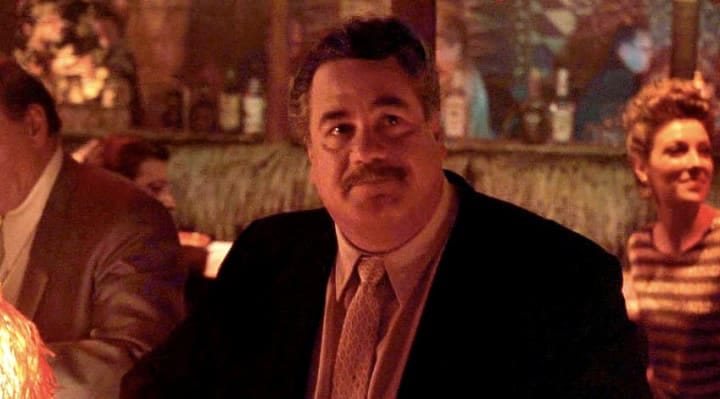
Caracappa, his partner, was far less visible. Where Eppolito cultivated a persona, Caracappa remained largely in the background, a quieter figure whose name carried little public recognition until the case surfaced.
The pair of detectives had access to sensitive police intelligence and the ability to move within investigations without attracting suspicion. Together, prosecutors argued, they were far more dangerous than either appeared individually.
The man in the middle
The corrupt cop duo did not interact directly with mobsters. Instead, they used a go-between. That individual was Burton Kaplan, a longtime associate who acted as a bridge between the Lucchese crime family and the outside world. According to testimony, Kaplan connected the detectives to underboss Anthony Casso in the early to mid-1980s, facilitating a relationship that allowed information to flow in both directions.
On the stand in 2006, Kaplan recalled moving out to Las Vegas in 1994—an attempt to evade the law—and meeting up with Eppolito. He described a mundane meeting place: “We started walking in the fruit department while I wheeled the cart. I asked him if he was feeling any heat.”
“Casso purchased a copy of Louie’s book, which is the source of all our problems,” Kaplan noted, a reminder that the line between public image and private reality had begun to collapse.
The story was not entirely hidden. Suspicions around dirty cops aired early in the 1990s. Reporting surrounding Kaplan’s own legal troubles made it clear that investigators were already exploring whether two New York detectives were tied to the same network.
Betraying the badge
Between 1986 and 1992, Caracappa and Eppolito acted as covert assets for the Lucchese crime family, assisting with multiple homicides. The pair used their positions within the police to aid in carrying out hits.
One of their more direct methods involved fake traffic stops. They used this trick in February 1986 to kill Israel Greenwald amid fears he would expose illicit operations. After claiming he was a suspect in a hit-and-run, they took him to a Brooklyn auto garage where they killed him and concealed his body beneath the concrete floor.
They also passed along confidential information from police databases to Casso’s hitmen, helping them to locate their targets. However, the intelligence was faulty in at least one case. In December 1986, Nicholas Guido was killed in a case of mistaken identity—he just happened to have the same name as the real target, a Gambino crime family associate.
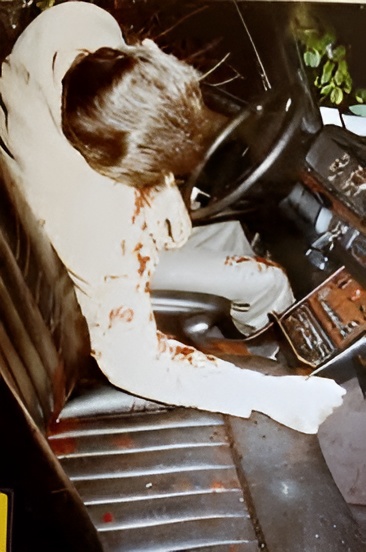
Casso used this information to track down people he believed were police informants, including Pasquale Varriale, John “Otto” Heidel, Bruno Facciola and Anthony DiLapi. The latter believed he was safe from the Mob while hiding out in Los Angeles, but he could not escape law enforcement’s intelligence network.
Some of their boldest moves also contributed to their demise. In the case of Gambino associate James Hydell, who went missing in October 1986, the pair “arrested” him at his mother’s home and delivered their captive to Casso. Hydell’s mother later recognized Eppolito on television while he was promoting his book on a daytime talk show. In 2003, she finally told investigators that the detectives had visited her home before her son went missing.
The boss who built—and complicated—the case
Kaplan made the connection possible, but Anthony “Gaspipe” Casso made the case. A central figure in the Lucchese organization during one of its most violent periods, Casso became a cooperating witness in 1994 to avoid the death penalty. It was his account that first placed Eppolito and Caracappa as active participants in organized crime.
At the same time, he was far from a clean witness. Casso lied repeatedly, contradicted himself, and was deemed unreliable in certain contexts. But additional evidence, including timelines, records and other testimony, corroborated enough of what he said that investigators were able to build a case beyond his word alone.
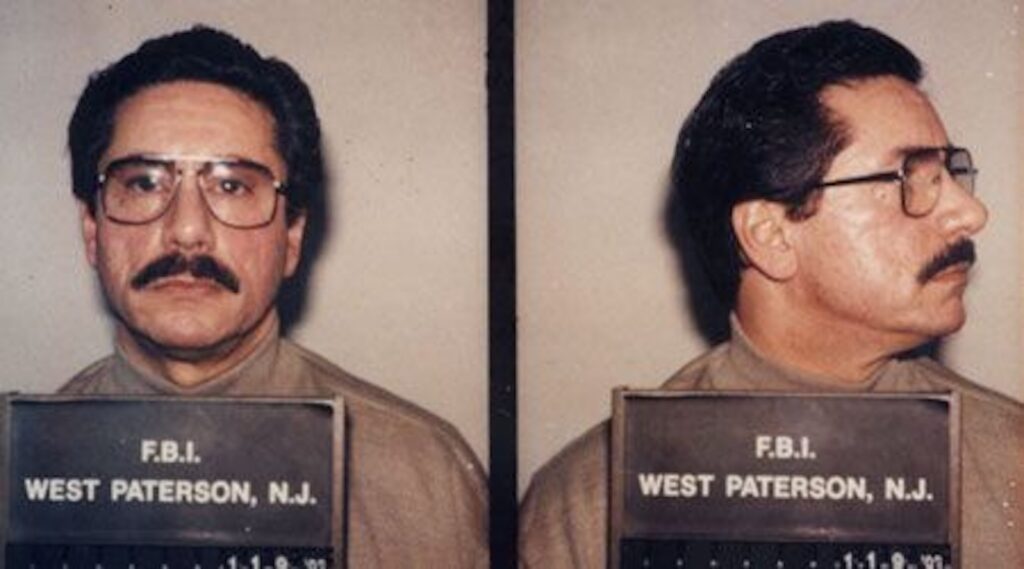
Even then, Casso’s own accounts shifted over time. At times he suggested that the detectives were deeply involved in multiple hits, and at others he downplayed how directly they worked with him. In a recorded call from prison after the convictions, he pushed back on at least one allegation, insisting, “They had nothing to do with the killing of Eddie Lino. … I told them they are being falsely accused of that crime.”
Eppolito and Caracappa allegedly shot and killed Lino while he was stopped at a traffic light in 1992.
The case had endured significant setbacks by the time it reached a jury. Earlier attempts to bring charges ran into legal challenges, including how far back prosecutors could pursue the crimes, which dated to the 1980s. Their participation became clear in court, but the depth of their involvement was never fully settled.
At one point, the dismissal of key elements forced investigators to regroup and rebuild the case under a broader racketeering framework. The case that went to trial was the result of years of reworking a story that had long defied evidence.
Conviction and collapse
In 2006, the verdict confirmed what had once sounded improbable even within law enforcement circles. Two former NYPD detectives had used their positions not just to leak information, but to assist a criminal organization in tracking, abducting and killing its enemies.
By the time sentencing occurred in 2006, the weight of that reality was clear. Calling it “probably the most heinous series of crimes ever tried in this courthouse,” Judge Jack Weinstein framed the case as a fundamental betrayal of public trust.
In the years following their conviction, both Eppolito and Caracappa challenged the verdict through a series of appeals, all of which ultimately failed. Civil actions followed as well, including a lawsuit brought by the family of one of the victims.
Caracappa died in federal custody in 2017, while Eppolito died two years later in prison.
Anthony Casso, whose testimony helped bring the case to light, remained incarcerated for the rest of his life and died in 2020. He was 78.
Christian Cipollini is an organized crime historian and the award-winning author and creator of the comic book series LUCKY, based on the true story of Charles “Lucky” Luciano.
Feedback or questions? Email blog@themobmuseum.org