


Killing of cartel boss ‘El Mencho’ triggers violent backlash across Mexico
Leader of Jalisco New Generation Cartel is latest target in a string of operations to take down drug kingpins
One by one, Mexico’s most notorious drug lords are being brought to justice.
- In 2016, Mexican authorities captured Joaquin “El Chapo” Guzman, former leader of Mexico’s Sinaloa Cartel. Today, he is serving a life sentence in a high-security prison in Colorado.
- In 2022, Mexican authorities captured Rafael “Rafa” Caro Quintero, co-founder of the Guadalajara Cartel. He was extradited to the United States in 2025 and faces an array of murder and drug charges.
- In 2024, U.S. authorities arrested Ismael “El Mayo” Zambada, another top Sinaloa Cartel leader. He faces sentencing after pleading guilty to numerous drug-trafficking charges.
- On Sunday, Mexican security forces killed Nemesio “El Mencho” Oseguera, leader of the Jalisco New Generation Cartel.
In each case, Mexican and U.S. law enforcement agencies shared information and collaborated to take down the cartel bosses. But the operation against El Mencho resulted in by far the most violence.
El Mencho, 59, was captured in Tapalpa, the cartel’s home base in Jalisco, after a shootout. The cartel boss was wounded in the melee and died in an airplane headed to Guadalajara. Nine other cartel members were killed in the firefight. Mexican military officials said they recovered rocket launchers from the cabin where El Mencho was holed up.
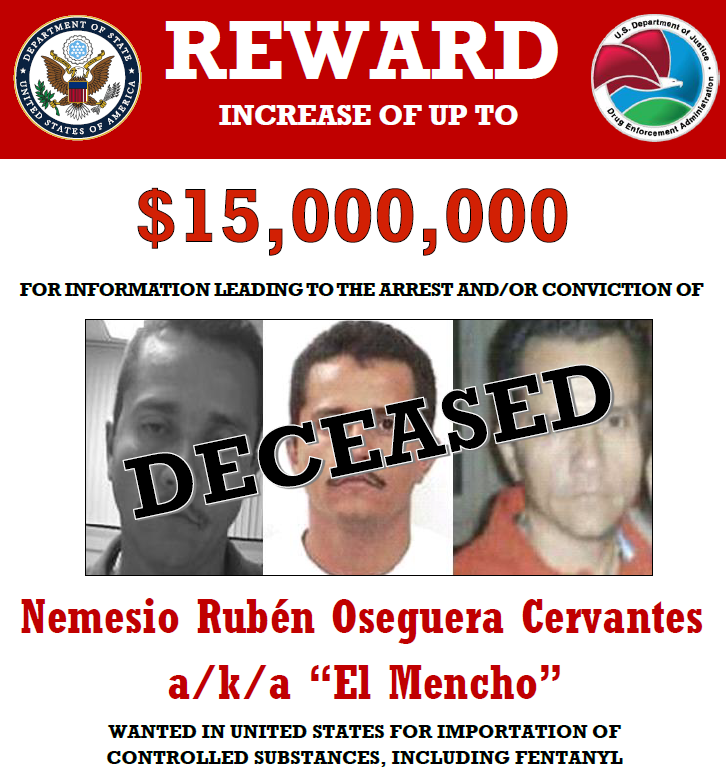
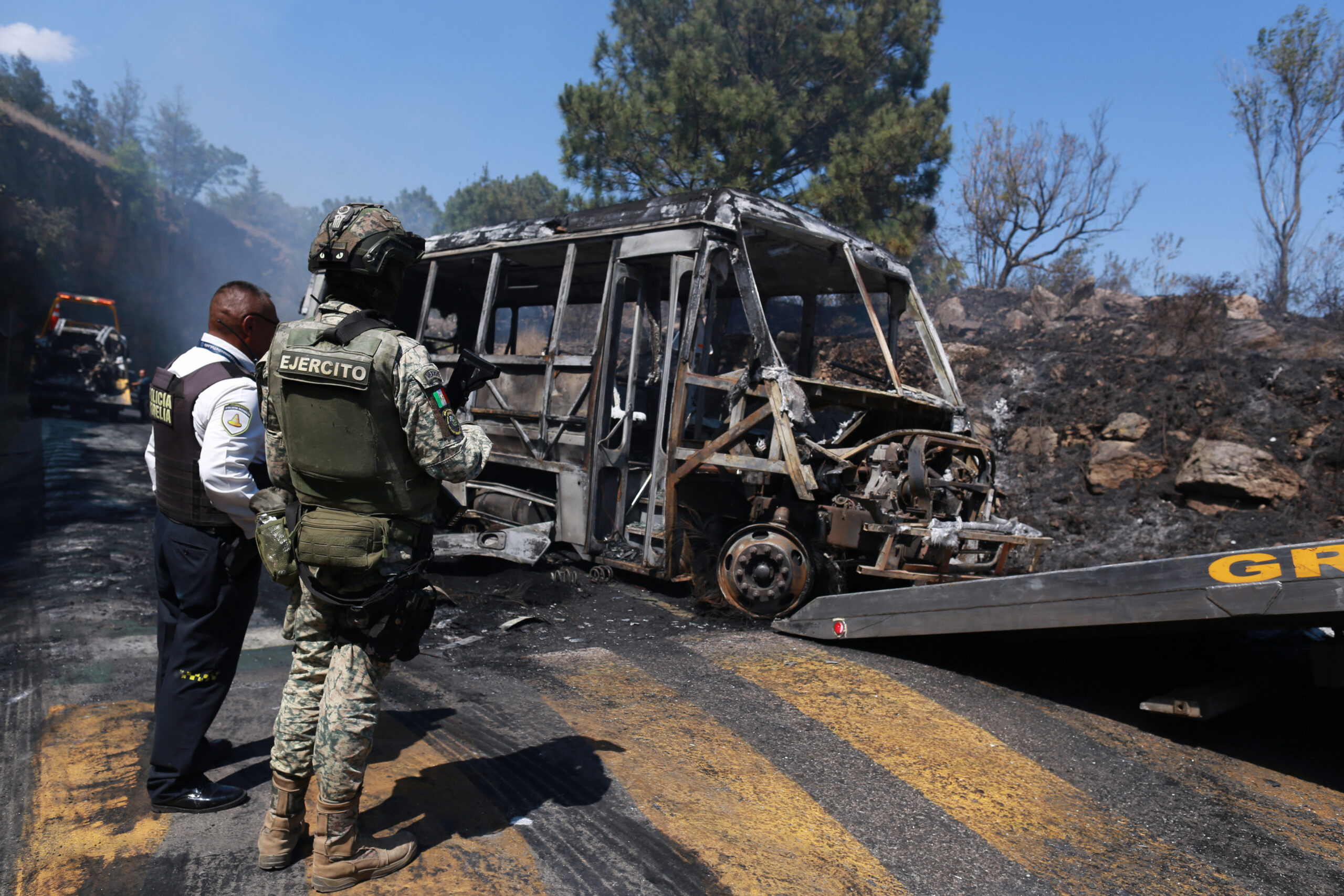
But that was just the beginning. Reacting to the capture of El Mencho, cartel operatives set off a wave of violence across 20 Mexican states. They put up armed roadblocks on highways—commonly known as “narco blockades”—and set fire to dozens of buildings and vehicles.
Tourists in Puerto Vallarta were instructed to stay in their rooms, and passengers were stranded at Guadalajara International Airport. Many businesses closed. At least 62 people died, including 34 suspected cartel members, before the backlash subsided and authorities restored order.
Mexican authorities said they found the location of the elusive drug lord through information obtained from a man close to one of El Mencho’s “romantic partners.” According to the New York Times, the CIA played a role in locating El Mencho.
The takedown of El Mencho is widely seen as a victory for Mexican President Claudia Sheinbaum, who was facing pressure from U.S. President Donald Trump to be more aggressive in going after the cartels. But at the same time, El Mencho’s demise has the potential to unleash a new round of violence over who will succeed him at the helm of the Jalisco Cartel, which is known for extreme violence.
El Mencho’s criminal history started in the United States in the 1980s. As a young man, he migrated north and sold drugs in the San Francisco Bay Area. He was convicted on heroin trafficking charges in 1994 and served three years in prison.
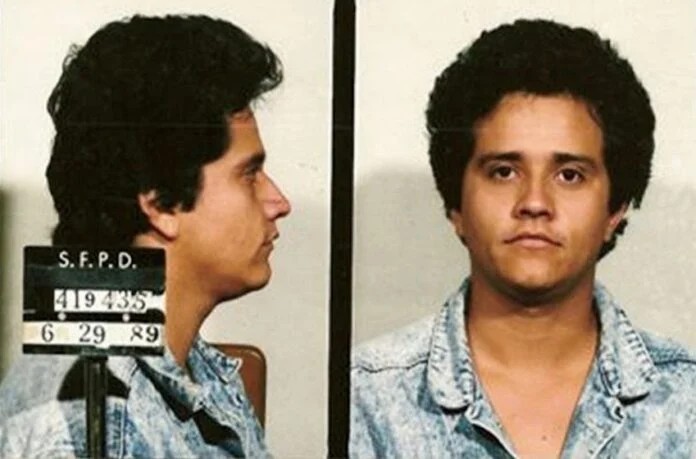
He was deported back to Mexico in 1997. After briefly working as a police officer, he hooked up with Sinaloa Cartel trafficker Ignacio Coronel Villareal, known as “Nacho Coronel.” After Villareal was killed in 2010, El Mencho created the Jalisco New Generation Cartel (CJNG).
El Mencho—the nickname is a common derivative of his first name, Nemesio—grew his fledgling cartel by flooding the United States first with crystal meth, then with fentanyl. His organization also benefited from the collapse of the competing Sinaloa Cartel after El Chapo was captured and extradited to the United States.
The CJNG was known for extreme acts of violence, both against rival cartels and against police and military forces. El Mencho’s paramilitary forces took on the equally violent Zetas, carrying out massacres. In 2015, after a previous attempt to capture El Mencho, his group deployed a rocket launcher to take down a military helicopter, set up 39 narco blockades and hijacked vehicles.
CJNG is also linked to mass graves discovered in Jalisco state. Dozens of bodies were unearthed at two locations there in 2025.
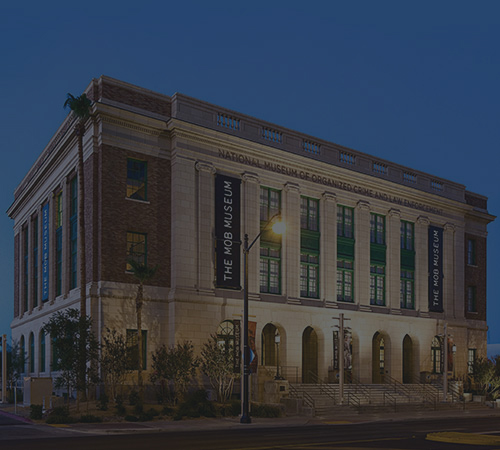
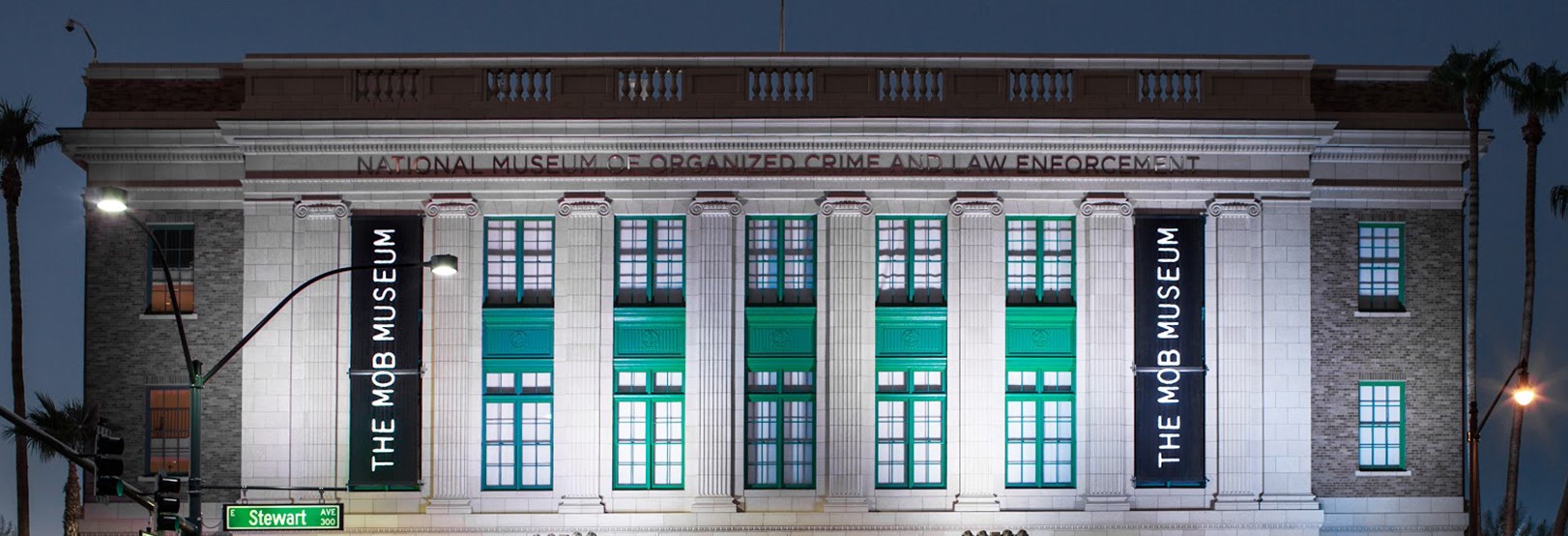
The story of El Mencho has been a popular subject of narcocorridos, or drug ballads, for years. But Ioan Grillo, a Mexico City-based journalist and member of The Mob Museum’s Advisory Council, reports that in some cases El Mencho paid musicians to write and perform the songs.
“I interviewed a Sinaloan singer based in Los Angeles who described how Mencho paid him $80,000 for two drug ballads,” Grillo writes on his CrashOut Substack blog. “The singer told me how Mencho sent him the lyrics he wanted, and the singer made them more rhythmic and poetic.”
Feedback or questions? Email blog@themobmuseum.org