




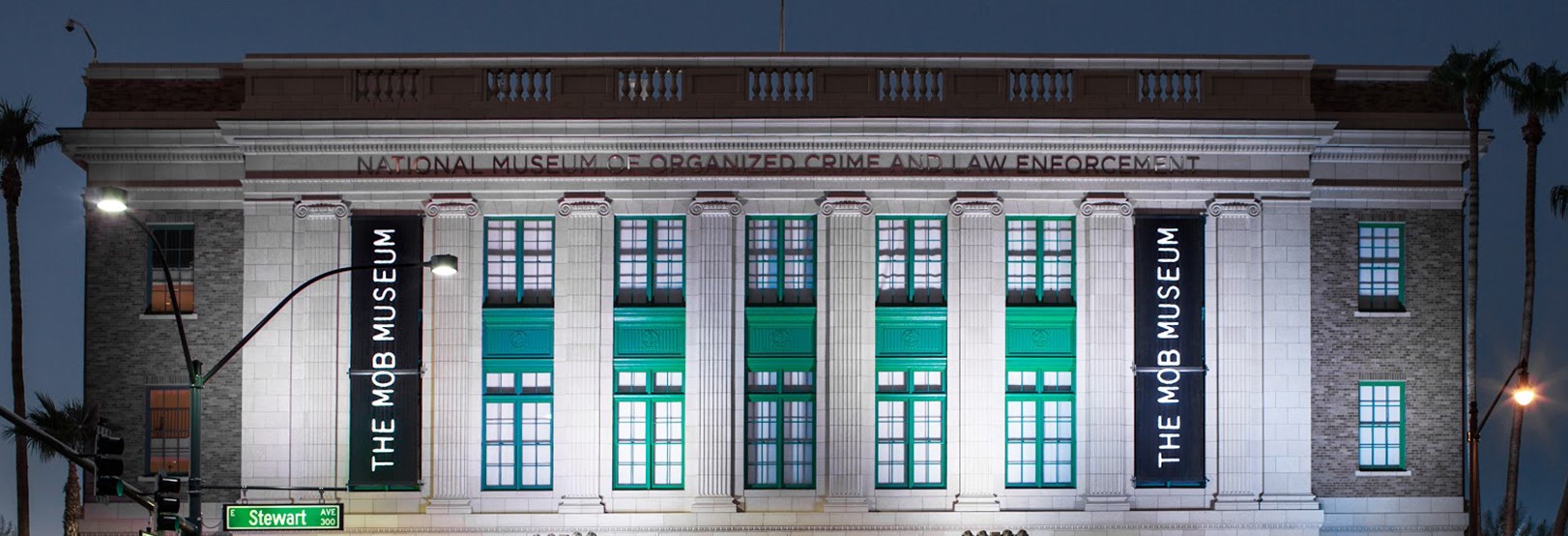

Jury convicts Duane ‘Keffe D’ Davis in Tupac Shakur murder after years of public admissions
The 30-year-old Las Vegas cold case is closed after Crips leader published a memoir
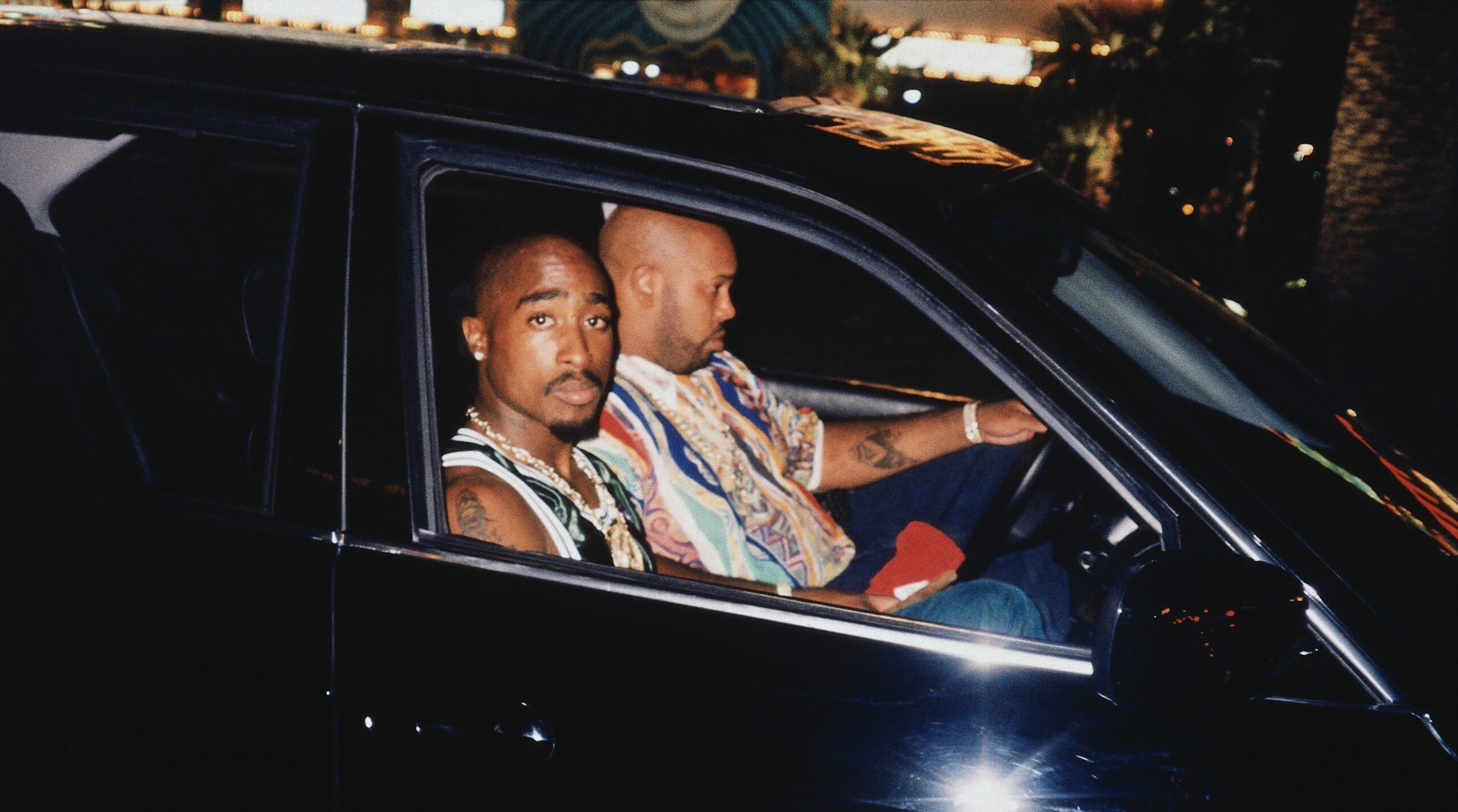
A few pages in a memoir led to a murder conviction for Duane “Keffe D” Davis, who was charged with the 30-year-old murder of Tupac Shakur in Las Vegas.
Davis, author of Compton Street Legend: Notorious Keffe D’s Street-Level Accounts of Tupac and Biggie Murders, Death Row Origins, Suge Knight, Puffy Combs, and Crooked Cops, stood trial in August for his role in Shakur’s murder on September 7, 1996.
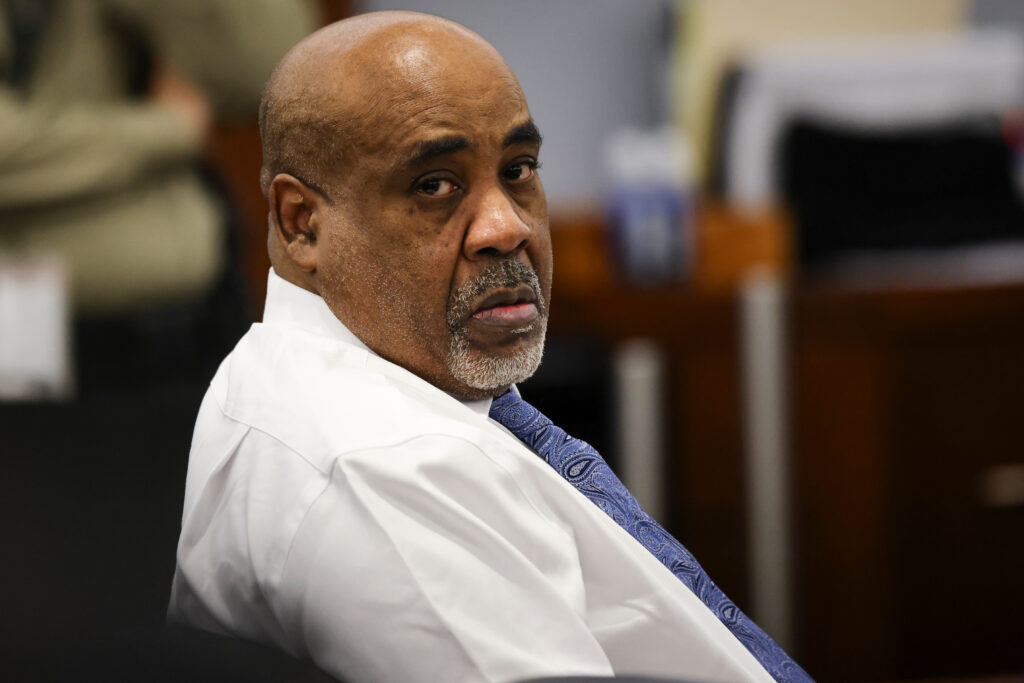
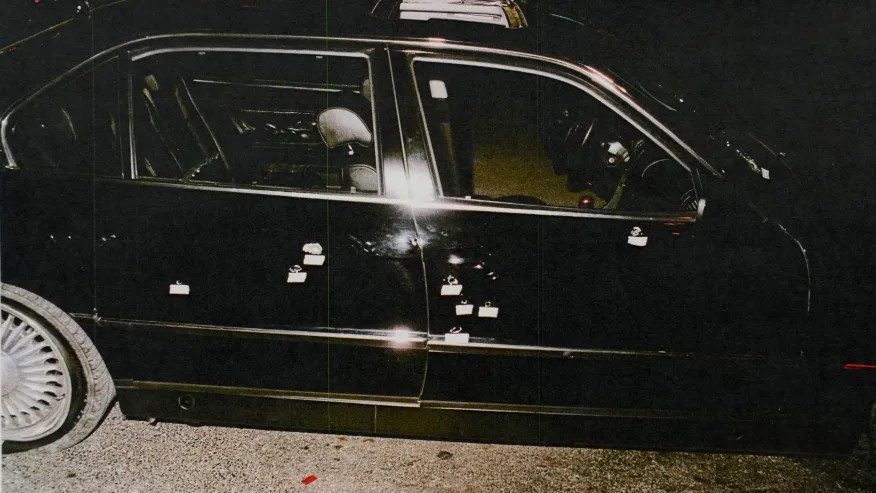
About 11:15 p.m. that evening, Shakur was in the passenger seat of a black BMW with Death Row Records CEO Marion “Suge” Knight driving. While stopped at the intersection of East Flamingo Road and Koval Lane, a gunman in a white Cadillac fired several shots into the BMW, hitting both Shakur and Knight. Knight survived, but Shakur succumbed to his injuries six days later.
On August 31, a jury decided that Davis was guilty of first-degree murder for planning the attack and providing the gun. He was in the Cadillac’s front passenger seat when the shooting occurred.
A year before the shooting, Knight approached Shakur to sign with Death Row Records, setting the rapper on a path that placed him in the middle of a feud between the South Side Compton Crips and the Mob Piru Bloods.
Bloods at Death Row
Shakur burst on the national stage in 1991 with his debut solo album, 2Pacalypse Now. According to a review by Bill Pahnelas in the Richmond Times-Dispatch, his lack of “tedious self-aggrandizing and macho bravado” set his lyrics apart from his contemporaries. Shakur’s verses were full of sociopolitical commentary and vulnerability wrapped in “harsh street vernacular” without holding “any of the anger and frustration back.”
But the violence and animosity toward police in the lyrics went too far for some critics. Vice President Dan Quayle condemned the album: “There is absolutely no reason for a record like this to be published. It has no place in our society.” Shakur sampled Quayle’s soundbite in his next album.
A 1993 sexual assault case put Shakur on a collision course with Knight. He was serving a 1 1/2- to 4 1/2-year sentence when Knight approached him. According to Los Angeles Times reporter Chuck Philips, Knight “offered to finance an appeal of his conviction if Shakur would sign a recording contract with Death Row.” After Knight posted Shakur’s bond on appeal, the rapper was out of a prison cell but bound to the hip-hop recording label.
While growing up in Compton, Knight became associated with the Mob Piru Bloods street gang, often wearing their red colors. Although he was never a member himself, Knight continued his relationship with the Bloods after starting Death Row Records.
Knight co-founded Death Row in 1991. He soon gained a reputation for his coercive negotiation tactics. An oft-repeated tale claims that Knight hung rapper Robert “Vanilla Ice” Van Winkle over a balcony to gain the rights to “Ice Ice Baby,” a rumor the one-hit wonder artist has said is an exaggeration.
“Suge took me out on the balcony, started talking to me personally,” Van Winkle said of the encounter in an episode of VH1’s Behind the Music. “He had me look over the edge, showing me how high I was up there. I needed to wear a diaper that day. I was an ‘investor’ in Death Row Records with no return on my money.”
Knight welcomed the Mob Piru Bloods into the ranks at Death Row, primarily serving as security. Although Shakur was never part of the gang, he became associated with them by virtue of being at Death Row Records.
Knight also had a fierce rivalry with Bad Boy Entertainment CEO Sean “Puffy” Combs—now known as “P. Diddy” or just “Diddy.” The bad blood between them was so strong that Combs often hired “unofficial” security when visiting the West Coast. One of his hired guns was a leader—also called a shot-caller—in the South Side Compton Crips: Duane “Keffe D” Davis.
The Shakur murder as told by ‘Keffe D’
In the lead-up to September 1996, tensions between the Mob Piru Bloods and the South Side Compton Crips were coming to a head. That summer, a fight between the two groups broke out in the Lakewood Mall near Compton. During the brawl, one of the Crips grabbed a Death Row Records medallion hanging from the neck of a Mob Piru gangster, Trevon Lane, as a sign of disrespect. With the street gangs’ eye-for-an-eye mentality, Lane wanted to retaliate.
A few months later, on September 7, 1996, Lane was in Las Vegas with Shakur and Knight to watch Mike Tyson take on Bruce Seldon at the MGM Grand. After the fight, Lane spotted one of his Lakewood Mall assailants, Davis’s nephew Orlando “Baby Lane” Anderson, by himself. Amped up by Tyson’s first-round TKO, Shakur and company attacked Anderson. A surveillance camera captured the one-sided beatdown on tape.
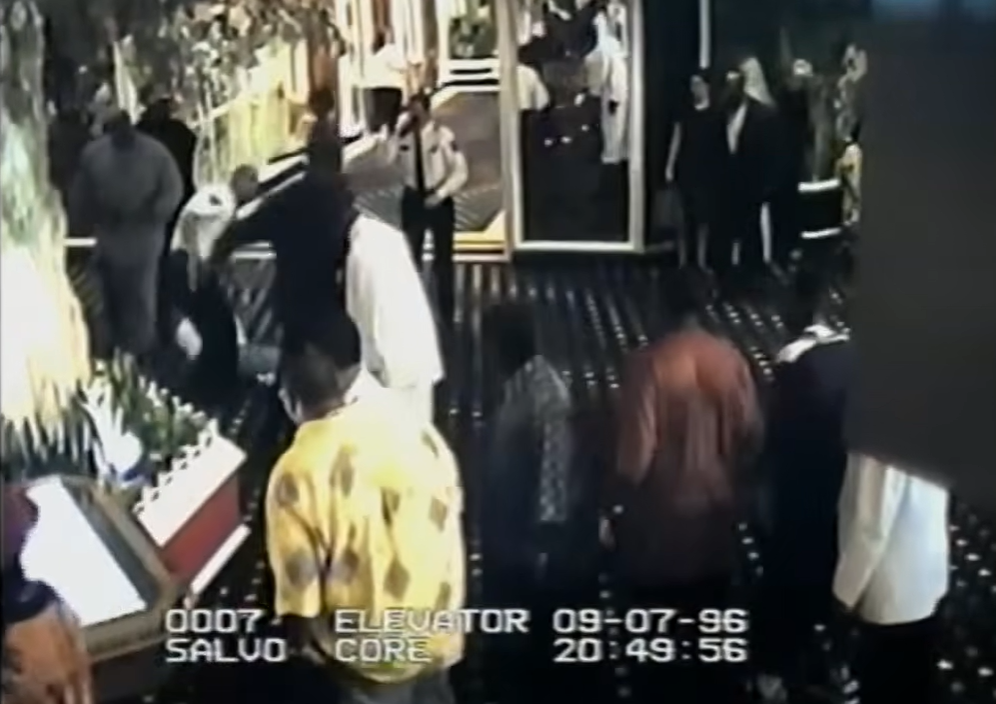
When Anderson reunited with his uncle, who was also in Las Vegas to watch the Tyson fight, Davis decided they had to retaliate. “We couldn’t let no record company studio gangsters do us like that,” he wrote in Compton Street Legend.
Anderson knew his attackers were headed to an after-party at Club 662, Knight’s private nightclub and a Mob Piru hangout. (662 spells out “MOB” on a telephone keypad.) After an hour and a half of sitting in the nightclub’s parking lot with no signs of Knight or Shakur, Davis made the call to postpone their plans.
“Lucky for them they never showed up because it would have been like Al Capone’s Valentine’s Day Massacre if they had,” he wrote. “It’s not that we were over what had happened to Baby Lane, it’s just we couldn’t control when them —— were going to show up. Waiting so long was stopping us from doing what we had gone to Vegas to do in the first place, have a good time.”
Davis pulled out a Glock and put it in the backseat of the white Cadillac while on the way to their next stop, the Carriage House hotel near the MGM Grand. But as they approached the intersection at Koval and Flamingo, they saw Shakur hanging out of the window of a BMW while fans shouted his name. Davis directed his driver, Terry “Bubble Up” Brown, to do a U-turn and pull up alongside Shakur at the head of the Death Row caravan.
Davis claimed Shakur pulled a gun on them. “Pac pulled out a strap, and that’s when the fireworks started,” he wrote. “One of my guys grabbed the Glock and started bustin’ back.” In 2008, Davis privately revealed to federal investigators that Anderson was the shooter. Anderson was killed in an unrelated shooting in 1998.
Following the account of that evening, Davis reflected on why he believed the murder was justified. “However, I stand firm on the point that Tupac, Suge Knight, and the rest of those —— didn’t have any business putting their hands on my beloved nephew, Baby Lane. Period. Them jumping on my nephew gave us the ultimate green light to do something to their ass.”
Davis’s memoir may have been his attempt to control the narrative about his role in the Shakur murder, but it proved to be his undoing.
‘The real truth’
In 2008, Davis was facing a potential life sentence for narcotics trafficking. He entered a proffer agreement with federal investigators, who were seeking information about the 1997 murder of Christopher “Biggie Smalls” Wallace.
Under the proffer agreement, Davis could give information to investigators in the hope of receiving leniency. His statements during this conversation generally could not be used against him.
Davis told investigators he had nothing to do with the Wallace murder but “did the other one,” a reference to the Shakur shooting. He then gave a detailed account of what happened that day in Las Vegas, which kept him out of a prison cell.
The next year, Davis told the same story to Las Vegas detectives. But Nevada officials declined to prosecute Davis at that time, fearing his story would be inadmissible in court because of the proffer agreement.
Davis’s story went public in 2011 when retired LAPD detective Greg Kading published a tell-all book about his experiences as part of the federal task force that investigated the Shakur and Wallace murders. In Murder Rap: The Untold Story of the Biggie Smalls & Tupac Shakur Murder Investigations, he recounted the details of Davis’s 2008 proffer. Davis was furious.
In the epilogue of Davis’s memoir, he addressed the former detective directly: “Kading, you’re a snake. You seriously jeopardized the lives and safety of myself and my family so you could be seen as the ‘Supercop’ who solved the Tupac and Biggie murders. … If truth is your defense, then you should have told the whole truth.”
But nothing happened to Davis in the years after Murder Rap was published. The proffer held strong despite Kading’s revelations.
That all changed in 2017 when Davis sat down for an interview for a BET docuseries, Death Row Chronicles. “I’m coming out now to tell the story because I got cancer,” Davis said in his interview for the show, referring to a 2014 colon cancer diagnosis. “I got nothing else to lose. All I care about now is the truth.”
When the docuseries premiered in 2018, his own words now placed him in the car, but he left out some details, such as providing the gun. Those details would be included in his upcoming memoir.
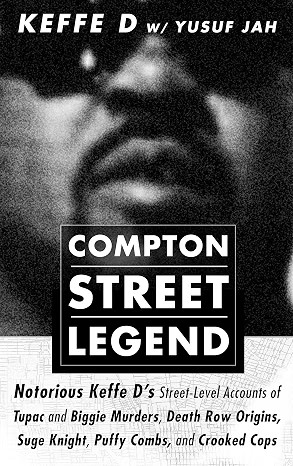
After the memoir came out in 2019, Davis promoted the book to the media and on podcasts, saying it was “the real truth.” Although his 2008 statements couldn’t be used against him, the later public comments could. Davis was indicted in 2023 on murder charges.
Davis’s defense attorney, Michael Sanft, argued that his client fabricated and embellished stories for fame and money and that the ghostwritten memoir should not be treated as Davis’s own words. He also stressed that the lack of physical evidence could not independently verify Davis’s public statements.
The prosecution argued, however, that Davis gave the proffer statements voluntarily and that the recording was only being used to show that key elements of his incriminating public statements were consistent with what he told the feds in 2008.
Sanft’s argument ultimately did not convince the Las Vegas jury. After less than three hours of deliberation, the jury returned a guilty verdict. Sentencing is scheduled for October 13.
Davis’s story started as a get-out-of-jail-free card but turned into a one-way ticket to a prison cell. The conviction brings a resolution to one of the most famous cold cases in American history.
Feedback or questions? Email blog@themobmuseum.org